How to Set Up a Metal Plating Line?
- Sinoplating
- 09 Jul ,2026
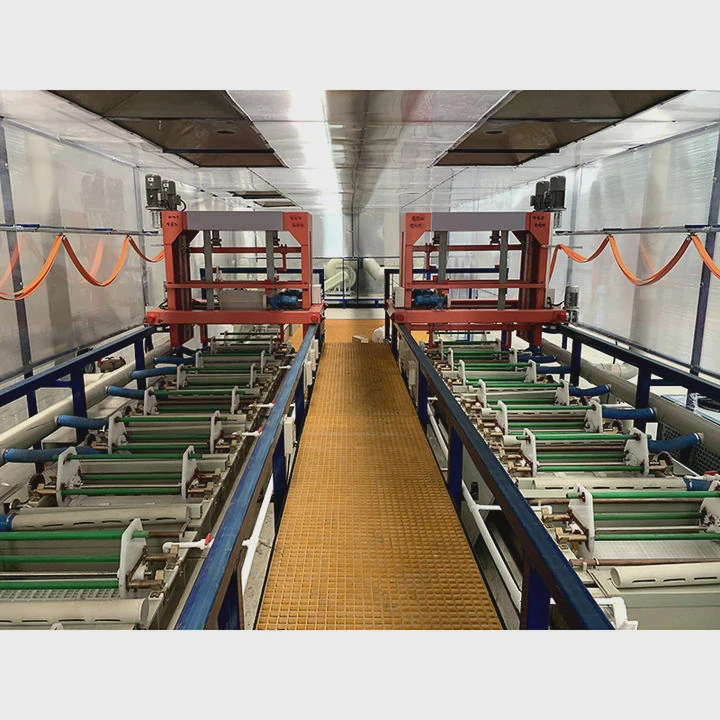
Metal plating projects can fail when planning is weak, costs are unclear, and equipment choices are wrong. Many factories lose time and money because they start without a complete production plan.
A metal plating line needs the right equipment, clear process steps, and good control systems. A well-designed plating line helps manufacturers produce stable quality products, reduce waste, and improve long-term production results.
Setting up a metal plating line is not only about buying tanks and machines. I need to understand the production goals, material types, coating requirements, factory space, and future growth plans before making decisions.
What Equipment Is Needed For A Metal Plating Line?
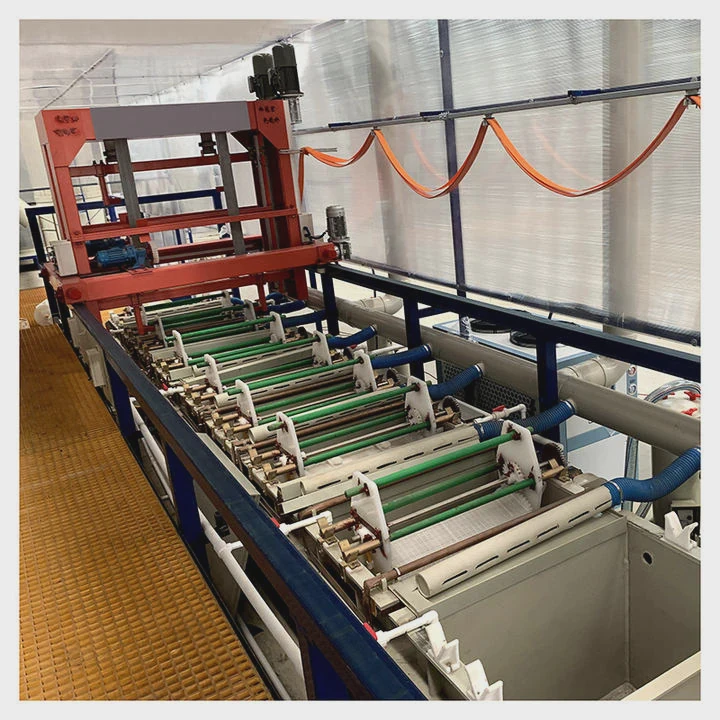
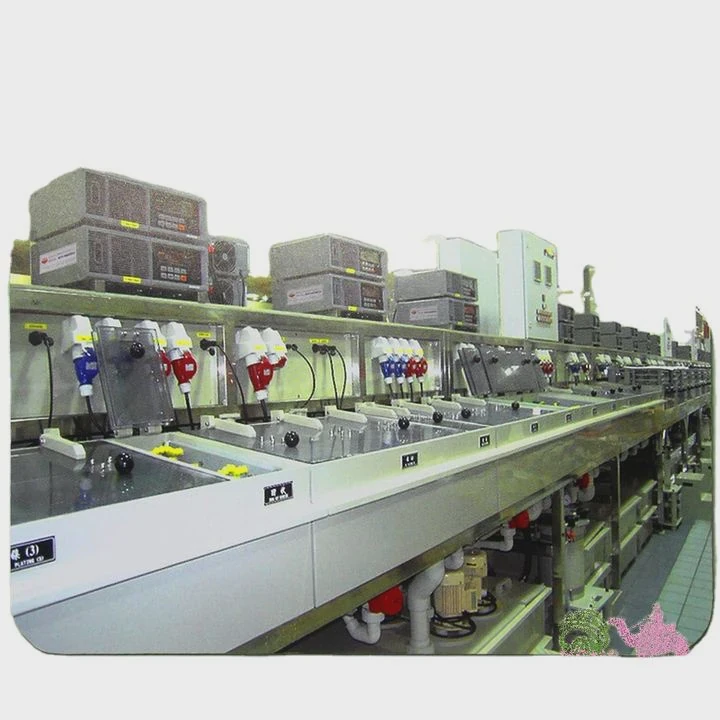
A metal plating line needs several types of equipment to complete surface treatment safely and efficiently. The main equipment includes plating tanks, cleaning systems, power supplies, control systems, water treatment units, and material handling systems.
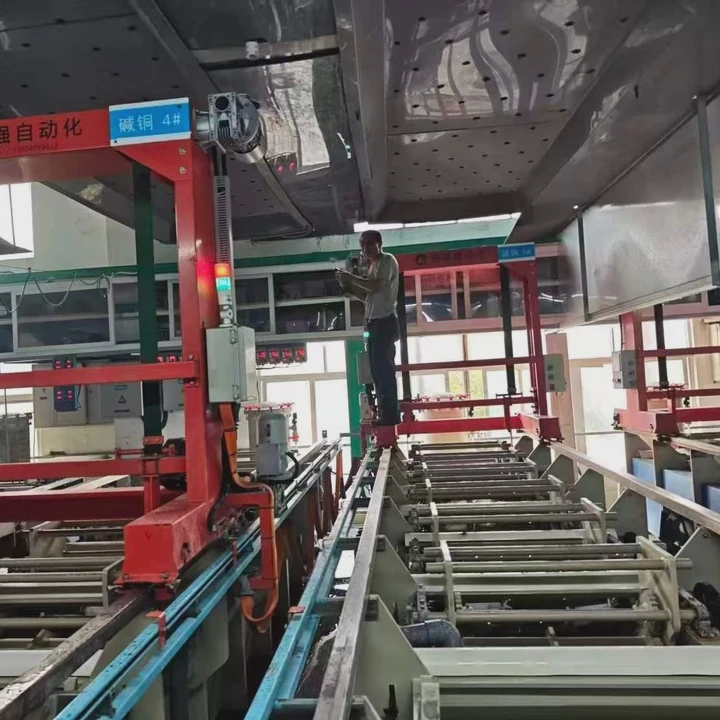
Choosing the correct equipment is the first step in building a reliable plating line. A complete system should match the product size, production volume, coating type, and factory requirements.
When I design a metal plating line, I first study the customer’s production needs. Different products need different solutions. Small electronic parts may need precision equipment, while large automotive parts may need automatic handling systems.
Main Equipment Used In A Metal Plating Line
A plating line usually includes several important parts. Each part has a special function. If one part does not work well, the whole production process can have problems.
| Equipment | Main Function | Importance |
|---|---|---|
| Plating tanks | Hold chemical solutions and products during plating | Controls coating quality |
| Rectifiers | Provide stable electrical current | Affects plating thickness and surface finish |
| Cleaning tanks | Remove oil, dust, and impurities | Improves coating adhesion |
| Heating systems | Maintain chemical temperature | Keeps process conditions stable |
| Filtration systems | Remove particles from solutions | Improves product quality |
| Waste treatment equipment | Handles wastewater and chemicals | Supports environmental requirements |
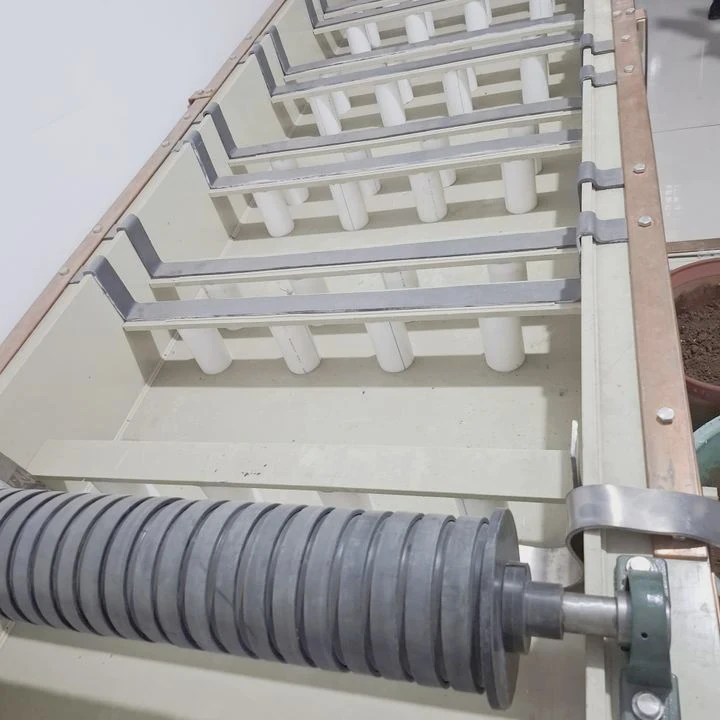
The plating tank is one of the most important parts of the system. The tank material must resist chemical corrosion. The tank size must also match the product size and production target.
The rectifier is another key component. A stable power supply helps control metal deposition. If the current changes too much, the coating thickness may become uneven. This can create quality problems for customers.
Automatic And Manual Plating Line Options
Factories can choose manual, semi-automatic, or fully automatic plating lines.
Manual systems usually need more workers. They are suitable for small production volumes and simple products. However, labor costs can become high when production increases.
Semi-automatic systems provide a balance between investment and efficiency. Workers still control some steps, but machines handle important movements.
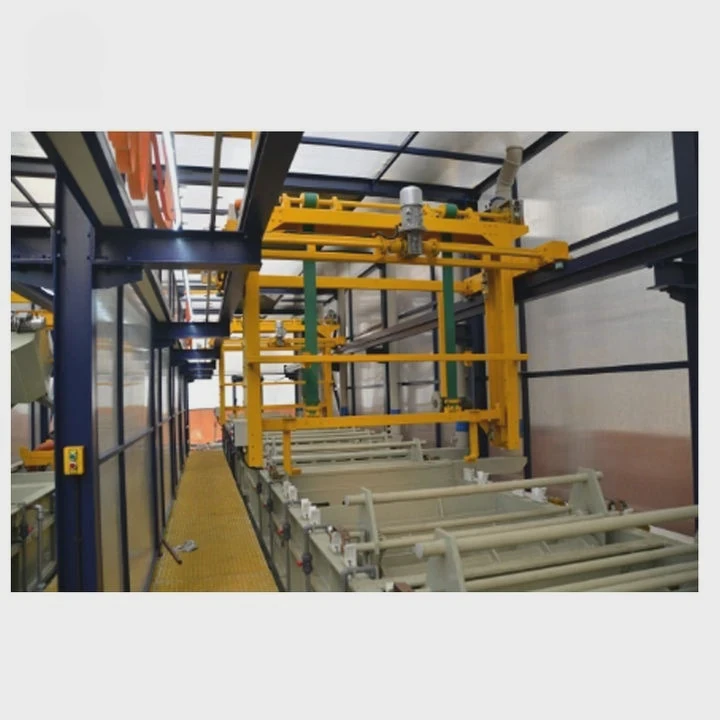
Fully automatic systems use automatic transport, sensors, and computer controls. They provide better production consistency and reduce human mistakes.
I usually recommend customers choose equipment based on their real production needs instead of only focusing on the lowest price. A cheaper system may create higher maintenance costs later.
Supporting Equipment Should Not Be Ignored
Many buyers focus only on plating tanks and rectifiers. However, supporting equipment is also important.
A complete plating factory may need:
- Water purification systems
- Exhaust treatment systems
- Drying equipment
- Cooling systems
- Chemical storage equipment
- Automatic control panels
These systems help improve safety and production stability. They also help factories meet environmental standards.
A successful metal plating line is a complete production system. Every part must work together to create stable results.
How Much Does It Cost To Set Up A Plating Line?
The cost of setting up a plating line depends on equipment type, automation level, production capacity, and factory conditions. A small line may require a limited budget, while a large automatic system needs much higher investment.
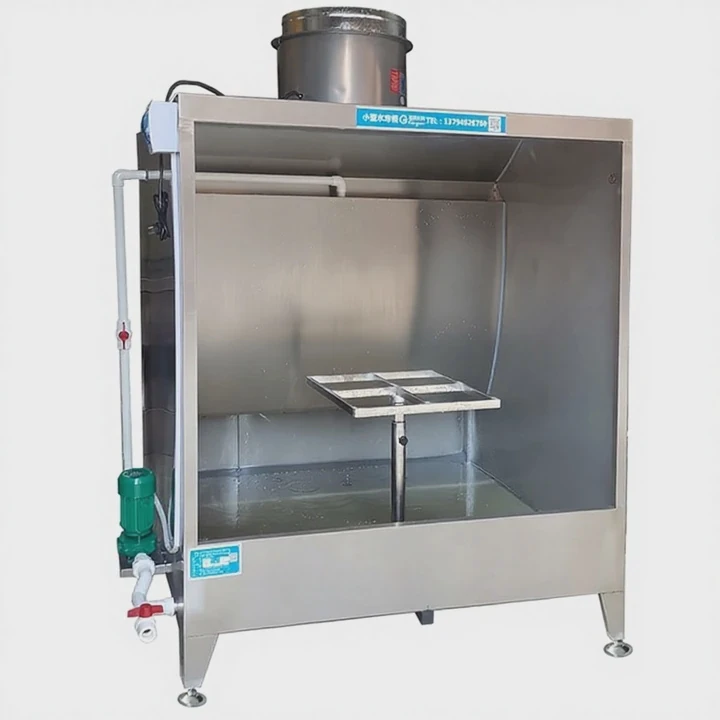
The total investment usually includes equipment, installation, factory preparation, labor training, and future maintenance. A clear budget plan helps avoid unexpected costs during the project.
When I help customers plan a plating line, I do not only look at the equipment price. I also consider operating costs, energy use, maintenance needs, and production efficiency.
Main Factors That Affect Plating Line Cost
The first factor is the production capacity. A factory producing thousands of parts per day needs larger tanks, stronger power systems, and better automation.
The second factor is the plating method. Different metals require different chemical systems and equipment designs. For example, zinc plating, nickel plating, chrome plating, and copper plating all have different requirements.
The third factor is automation. Automatic systems cost more at the beginning, but they can reduce labor costs and improve product consistency.
| Cost Category | Example Items | Cost Impact |
|---|---|---|
| Equipment | Tanks, rectifiers, controllers, filters | High |
| Installation | Assembly, electrical work, testing | Medium |
| Factory preparation | Space, pipelines, ventilation | Medium |
| Training | Operator education and technical support | Low to medium |
| Maintenance | Spare parts and service | Long-term cost |
How To Control Investment Risk
A common mistake is buying equipment without checking future production needs. A small system may save money at first, but it may not support business growth.
I believe a better approach is to create a long-term production plan. The factory should consider:
- Current order volume
- Expected market growth
- Product changes
- Labor availability
- Environmental requirements
A good plating line should provide value for many years.
Another important point is supplier experience. Experienced suppliers can help reduce design mistakes. They can suggest suitable equipment layouts and production methods.
Hidden Costs During Setup
Some costs are easy to miss. These costs may include:
- Electrical upgrades
- Water supply improvements
- Exhaust systems
- Chemical storage areas
- Operator training
- Production testing
These details can affect the final project budget.
I have seen that factories with careful planning usually complete projects faster. They also avoid many problems during production testing.
The cheapest equipment is not always the best choice. A stable system with reasonable operating costs often creates better business results.
What Are The Steps In A Metal Plating Process?
A metal plating process includes several steps that prepare the surface, apply the coating, and finish the final product. Each step affects the final quality of the plated part.
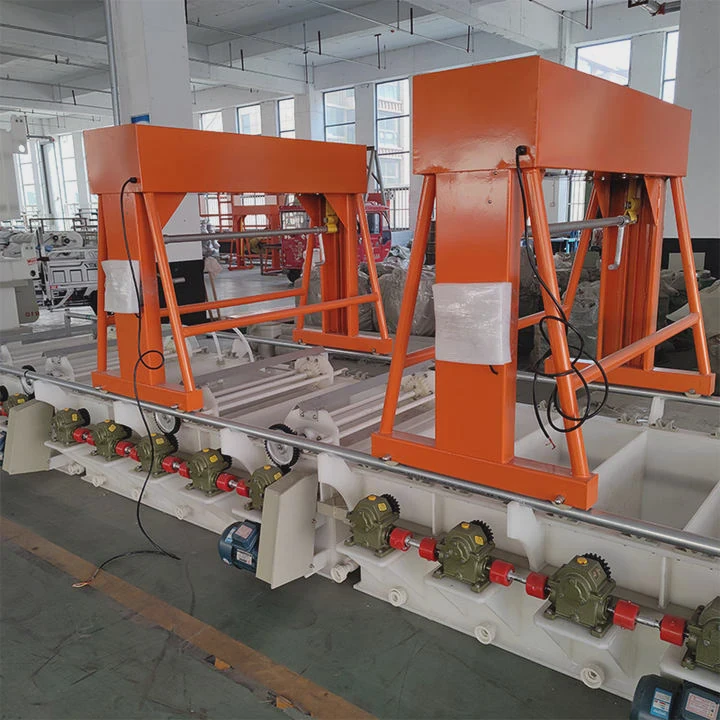
A complete plating process needs accurate control of cleaning, chemical treatment, electrical conditions, and inspection. Good process management creates strong adhesion and consistent coating quality.
When I explain plating production to customers, I always start with the basic process flow because every machine and chemical stage has a clear purpose.
Step 1: Surface Cleaning
The first step is removing oil, dirt, and oxidation from the product surface.
If the surface is not clean, the metal coating may not attach correctly. This can cause peeling, uneven color, or poor protection.
Cleaning usually includes:
- Degreasing
- Water rinsing
- Acid cleaning
- Surface activation
Each cleaning stage prepares the product for the next step.
Step 2: Chemical Treatment
After cleaning, the product enters chemical treatment stages. These steps improve surface conditions and prepare the material for plating.
The chemical concentration, temperature, and treatment time must be controlled carefully.
Small changes can affect the final coating quality. This is why monitoring systems are important in modern plating lines.
Step 3: Electroplating Process
During electroplating, the product receives a metal coating through an electrical reaction.
The main factors include:
- Current density
- Voltage control
- Chemical concentration
- Temperature
- Plating time
Operators need to control these factors carefully. Poor control can create thickness problems and surface defects.
Step 4: Rinsing And Drying
After plating, products need proper rinsing to remove chemical residue.
Drying is also important because remaining water can affect appearance and corrosion resistance.
Step 5: Quality Inspection
The final step is checking product quality.
Factories usually test:
- Coating thickness
- Surface appearance
- Adhesion strength
- Corrosion resistance
A strong inspection system helps factories maintain customer trust.
Complete Process Flow
A typical metal plating process looks like this:
- Loading products
- Cleaning
- Rinsing
- Chemical treatment
- Electroplating
- Final rinsing
- Drying
- Quality inspection
- Packaging
Every step connects with the next one. A problem in one stage can influence the final product.
I have learned that successful plating production depends on process control, not only on machine quality. Good equipment helps, but correct operation creates the final results.
How Can You Improve Plating Line Efficiency?
Improving plating line efficiency requires better equipment management, process control, and production planning. Small improvements can reduce waste, lower costs, and increase output.
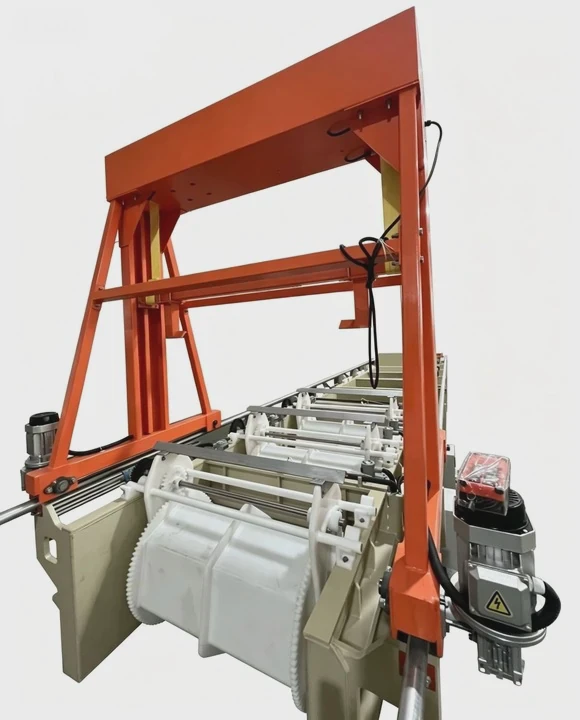
A high-efficiency plating line does not only work faster. It also produces stable quality with fewer problems and lower operating costs.
When I review plating projects, I often find that efficiency problems come from poor planning, outdated equipment, or weak process control.
Improve Automation Level
Automation is one of the best ways to improve production efficiency.
Automatic transport systems can reduce manual handling. Automatic control systems can maintain stable process conditions.
Benefits include:
- Lower labor requirements
- Better product consistency
- Faster production speed
- Reduced human error
However, automation should match the factory situation. Not every factory needs the highest automation level.
Maintain Equipment Regularly
Equipment maintenance directly affects production efficiency.
Regular maintenance should include:
- Checking electrical systems
- Cleaning filters
- Inspecting pumps
- Checking heating systems
- Testing control systems
Small maintenance actions can prevent large production problems.
Control Chemical Usage
Chemical management is another important area.
Poor chemical control can increase costs and create quality issues. Factories should monitor chemical concentration and replace solutions at the correct time.
A good chemical management system helps factories:
- Reduce material waste
- Improve coating quality
- Lower environmental pressure
Train Operators
Operators play an important role in plating efficiency.
Even advanced equipment cannot perform well without trained workers. Operators need to understand process rules, safety requirements, and basic troubleshooting.
I believe worker training is a long-term investment. Skilled teams can identify problems faster and keep production stable.
Use Data To Improve Production
Modern plating lines can collect production data. Factories can use this information to find problems and improve performance.
Important data includes:
- Production speed
- Energy consumption
- Chemical usage
- Product defect rate
- Equipment downtime
Data helps managers make better decisions.
Efficiency improvement is a continuous process. Factories should review production results regularly and make small improvements over time.
A good metal plating line combines reliable equipment, skilled workers, and strong management. These three parts work together to create better production performance.
Conclusion
Setting up a metal plating line requires careful planning, suitable equipment, and strong process control. A complete system helps factories improve quality, reduce costs, and build stable long-term production.