How To Build An Automatic Electroplating Production Line?
- Sinoplating
- 09 Jul ,2026
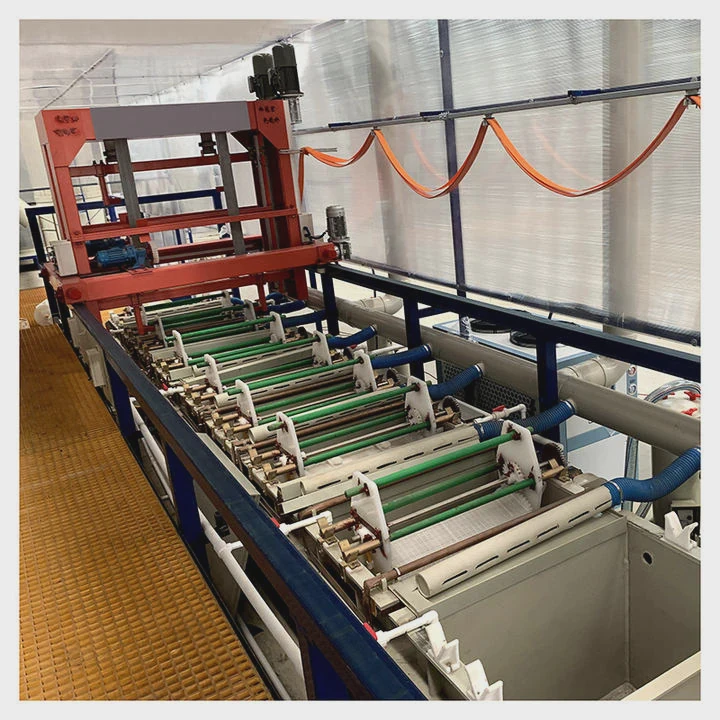
Building an automatic electroplating production line can be challenging when factories do not have a clear plan. Poor equipment selection and weak system design can create high costs, unstable quality, and low production efficiency.
An automatic electroplating production line uses machines, control systems, and advanced technology to complete plating processes with less manual work. A well-designed system helps manufacturers improve quality, increase output, and reduce operating costs.
When I build an automatic electroplating solution, I focus on the complete production process. I consider product requirements, factory conditions, automation level, and future business growth before designing the system.
What Equipment Is Needed For An Automatic Electroplating Line?
An automatic electroplating line requires several types of equipment to complete surface treatment, coating, and quality control. Every part of the system has an important role in creating stable production results.
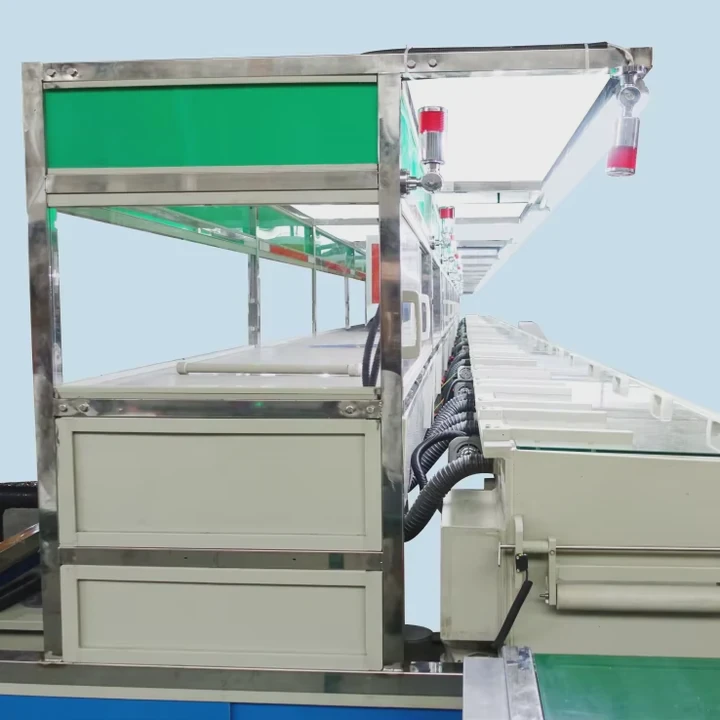
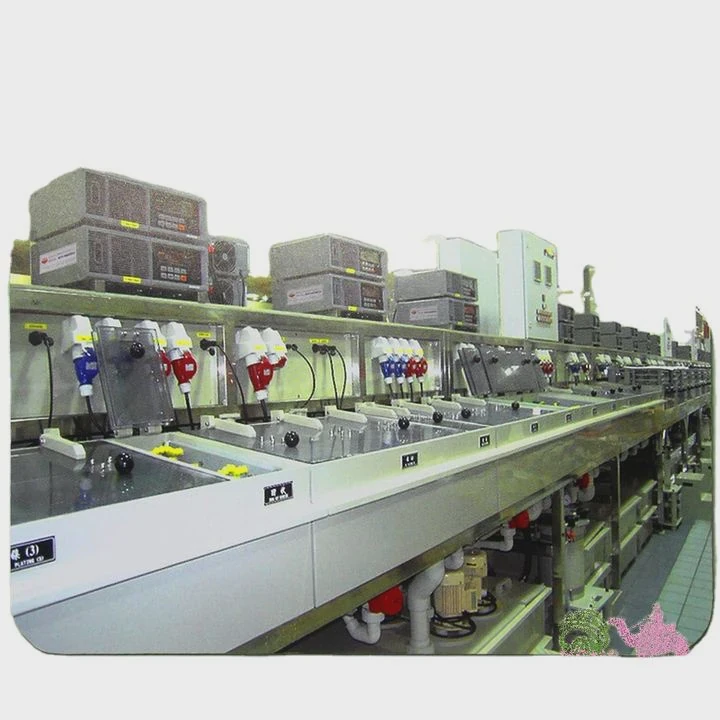
The main equipment includes automatic transport systems, plating tanks, rectifiers, control systems, filtration units, heating systems, and environmental protection equipment.
When I design an automatic electroplating line, I do not only select machines. I create a complete production solution where each part works together.
Main Equipment Of An Automatic Electroplating Line
A modern automatic electroplating line normally includes the following equipment:
| Equipment | Main Function | Production Value |
|---|---|---|
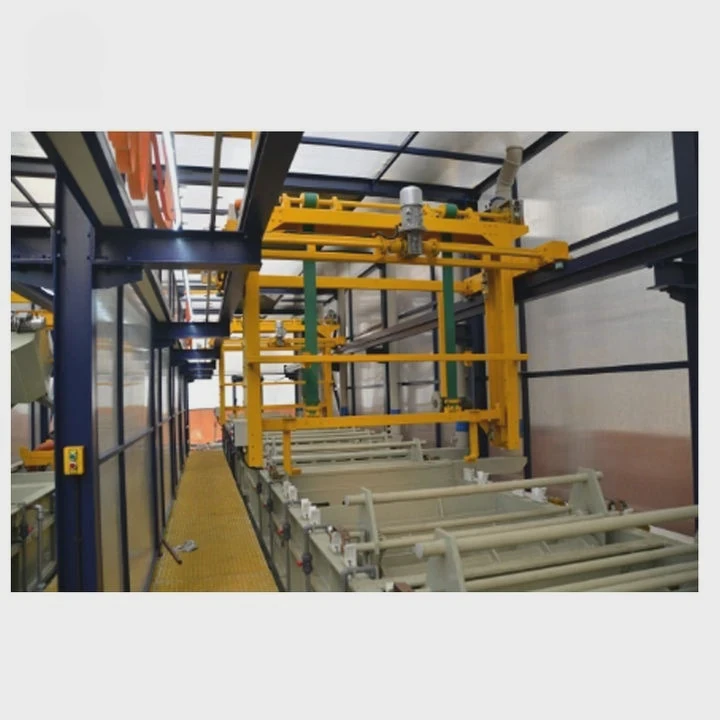
| Automatic conveyor system | Moves products between processes | Reduces labor and improves speed |
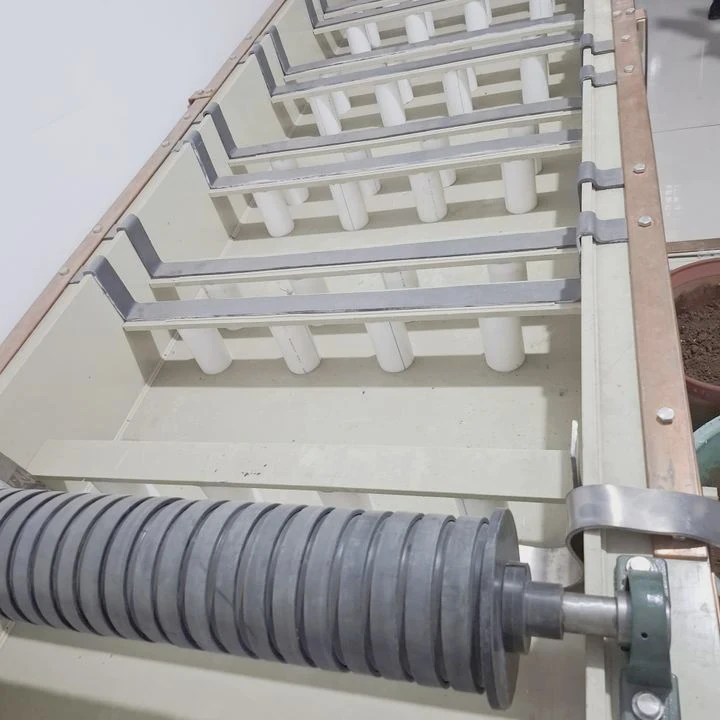
| Plating tanks | Hold chemical solutions for coating | Creates metal layers |
| Rectifiers | Control electrical current | Maintains stable plating quality |
| PLC control system | Controls machine operation | Improves accuracy |
| Heating and cooling system | Maintains solution temperature | Keeps process conditions stable |
| Filtration system | Removes impurities | Improves coating quality |
| Waste treatment system | Handles chemical waste | Supports environmental compliance |
The automatic conveyor system is one of the most important parts. It controls product movement and ensures that every product follows the same process path.
The plating tanks are also critical. Different plating methods need different tank designs. The tank material must resist chemical corrosion and provide long service life.
Automatic Control System
The control system is the brain of an automatic electroplating line.
A modern control system can manage:
- Production speed
- Tank movement
- Current settings
- Temperature control
- Chemical monitoring
- Alarm systems
PLC technology allows factories to control the entire production process with higher accuracy.
This reduces human errors and improves production consistency.
Power Supply And Rectifier System
Electroplating depends on stable electrical conditions. The rectifier controls the current used during the plating process.
A high-quality rectifier provides:
- Stable current output
- Accurate adjustment
- Energy efficiency
- Safety protection
If current control is unstable, the coating thickness may become uneven. This can reduce product quality.
Environmental Protection Equipment
Automatic electroplating lines also require environmental systems.
These systems include:
- Exhaust treatment equipment
- Wastewater treatment systems
- Chemical recovery units
Environmental equipment helps factories meet regulations and create safer working conditions.
A complete automatic electroplating line is not only a group of machines. It is a complete production system that combines mechanical equipment, electrical control, and process technology.
How Much Does An Automatic Electroplating Line Cost?
The cost of an automatic electroplating line depends on many factors, including production capacity, automation level, equipment design, and factory requirements.
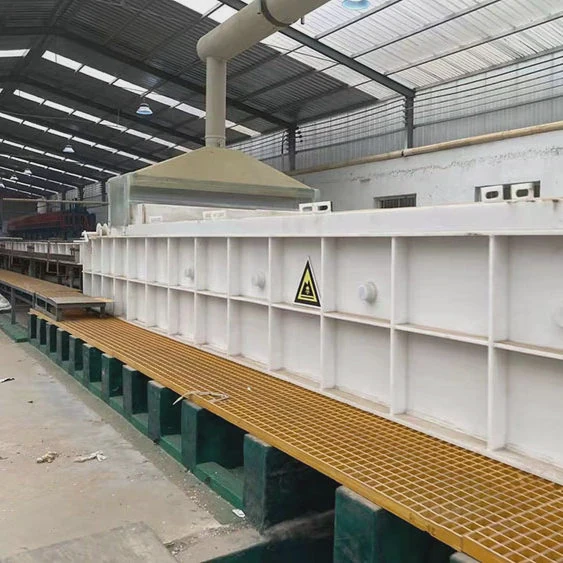
An automatic system usually requires a higher initial investment than a manual line. However, it can provide better efficiency, lower labor costs, and more stable product quality over time.
When I help customers plan an investment, I always look beyond the purchase price. The long-term production value is also important.
Main Factors Affecting Cost
The first factor is production capacity.
A small production line needs fewer tanks and a simpler control system. A large industrial line requires bigger equipment and stronger automation.
The second factor is the plating type.
Different plating processes require different equipment designs, such as:
- Zinc plating
- Nickel plating
- Chrome plating
- Copper plating
- Gold plating
Each process has different chemical and electrical requirements.
The third factor is automation level.
| Cost Factor | Example | Impact On Investment |
|---|---|---|
| Production capacity | Small or large output requirements | High |
| Automation level | Manual, semi-automatic, automatic | High |
| Equipment material | Tank and machine materials | Medium |
| Control system | PLC and monitoring functions | Medium |
| Environmental system | Waste and exhaust treatment | Medium |
Equipment And Installation Costs
The total project cost usually includes more than the equipment itself.
Factories should consider:
- Machine manufacturing
- Transportation
- Installation
- Electrical connection
- Factory preparation
- Worker training
- Technical support
These costs can influence the final budget.
How To Control Investment Risk
A common mistake is choosing equipment only based on the lowest price.
A low-cost system may have problems such as:
- High energy consumption
- More maintenance needs
- Lower production stability
- Shorter service life
A better approach is selecting a system that matches production goals.
I usually recommend customers evaluate:
- Expected production volume
- Product quality requirements
- Future expansion plans
- Operating costs
A well-designed automatic electroplating line is a long-term investment. The right system can create higher business value over many years.
How To Design A High Efficiency Electroplating System?
A high-efficiency electroplating system needs smart design, accurate process control, and reliable equipment. The goal is not only faster production but also stable quality and lower operating costs.
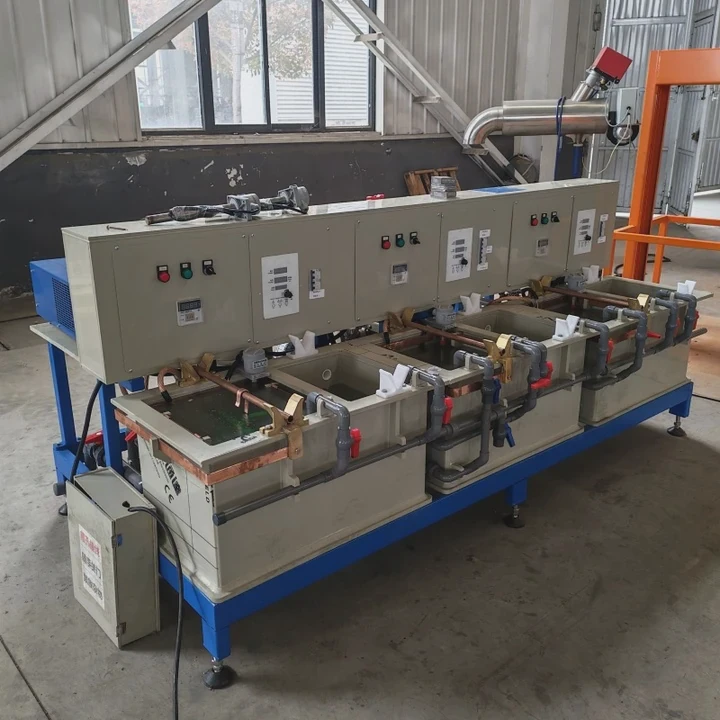
A good design starts before equipment manufacturing. The factory needs to understand product requirements, production targets, and future development plans.
When I design an electroplating system, I focus on improving the complete production flow instead of only improving one machine.
Analyze Production Requirements
The first design step is understanding the product.
Important information includes:
- Product size
- Product material
- Required coating type
- Daily production volume
- Quality standards
Different products need different solutions.
For example, automotive parts may need large automatic handling systems, while electronic parts may require higher precision control.
Optimize Production Layout
A good layout improves production efficiency.
The system should have:
- Short material movement distance
- Easy maintenance access
- Safe chemical areas
- Clear production flow
A poor layout can increase production time and create unnecessary movement.
Improve Automation Control
Automation helps maintain stable production conditions.
Important automatic functions include:
- Automatic loading
- Automatic transfer
- Automatic current control
- Automatic temperature adjustment
- Production data collection
These functions reduce human mistakes and improve consistency.
Reduce Energy Consumption
Energy efficiency is another important design goal.
Factories can reduce energy use through:
- Efficient rectifiers
- Better heating systems
- Optimized process time
- Smart control systems
Lower energy use helps reduce operating costs.
Use Data For Production Improvement
Modern electroplating systems can collect production information.
Factories can monitor:
- Production speed
- Equipment status
- Energy usage
- Defect rate
- Chemical consumption
Data analysis helps factories find problems and improve performance.
A high-efficiency electroplating system combines good design, automation technology, and continuous improvement. These elements help factories achieve better production results.
What Are The Benefits Of Automated Electroplating Production?
Automated electroplating production provides many benefits, including higher efficiency, better quality control, lower labor costs, and improved production stability.
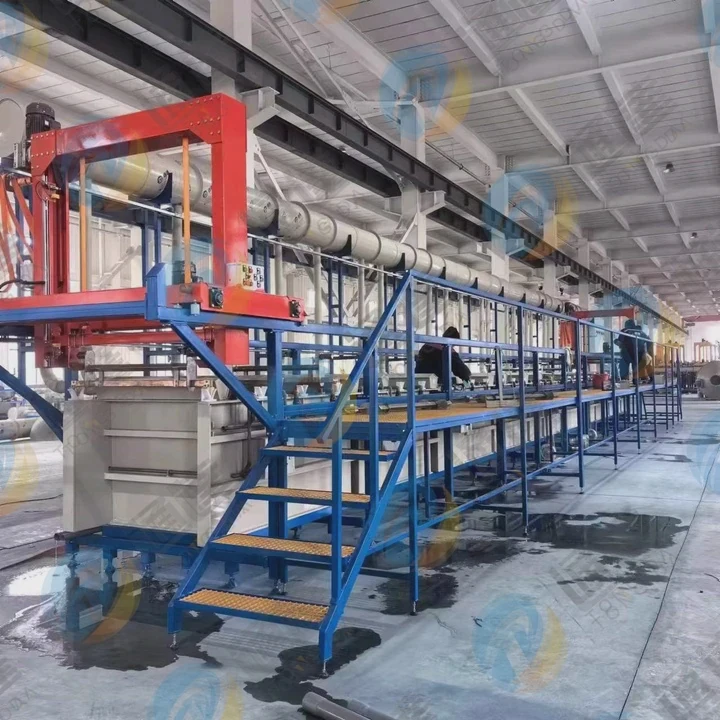
Many manufacturers choose automation because market competition requires faster production and more consistent product quality.
When I compare manual and automatic systems, I usually focus on long-term production performance rather than only the initial investment.
Improve Production Efficiency
Automation allows factories to produce more products in less time.
Automatic systems can:
- Reduce waiting time
- Increase production speed
- Support continuous operation
- Improve workflow
This helps factories handle larger customer orders.
Improve Product Quality
Quality consistency is one of the biggest advantages of automation.
Automatic systems control:
- Movement speed
- Processing time
- Electrical conditions
- Chemical temperature
This creates more stable coating results.
| Benefit | How Automation Helps |
|---|---|
| Higher output | Machines work continuously |
| Better quality | Process conditions stay stable |
| Lower labor cost | Less manual operation |
| Safer workplace | Reduced chemical handling |
| Better management | Production data is available |
Reduce Labor Dependence
Manual plating requires many workers to move products and control processes.
Automation reduces the need for repetitive manual operations.
Workers can focus on:
- Equipment monitoring
- Quality inspection
- Maintenance
- Production management
Improve Workplace Safety
Electroplating involves chemicals and electrical equipment.
Automation reduces direct worker contact with dangerous processes.
It helps improve:
- Chemical safety
- Working conditions
- Production management
Support Business Growth
An automatic electroplating line helps factories increase production capacity and compete in global markets.
A reliable system can support:
- Larger orders
- Better customer satisfaction
- Stable production schedules
- Long-term business development
I believe automation is not only about replacing workers with machines. It is about creating a smarter production system that improves quality, efficiency, and business value.
Conclusion
Building an automatic electroplating production line requires proper equipment selection, professional design, and strong process management. A well-planned system helps factories improve efficiency, reduce costs, and achieve stable long-term production.
- Pre How Does An Electroplating Production Line Work?
- Next: Sorry!