what is gold plating?
- Sinoplating
- 27 Apr ,2026
Many products look dull and corrode fast. This causes loss in value and trust. Many manufacturers struggle to find a balance between cost and quality.
Gold plating is a process where a thin layer of gold is applied to a surface to improve appearance, conductivity, and corrosion resistance without the high cost of solid gold.
This method is widely used across industries. It offers both beauty and performance. Next, I will break down how it works and why it matters.
How does gold plating enhance product appearance?
A product may look cheap or uneven. This can affect customer decisions. Many buyers judge quality by appearance first.
Gold plating enhances product appearance by adding a bright, smooth, and luxurious gold finish that improves visual appeal and perceived value.
Gold plating creates a clean and reflective surface. This surface catches light well. It gives a premium feel even if the base material is simple. Many industries use this to upgrade product image without large cost.
Surface Finish Matters
The final look depends on surface preparation. A smooth base gives a mirror-like finish. A rough base leads to dull plating. So surface polishing is very important before plating starts.
Color and Thickness Control
Gold plating can vary in tone. It can be bright yellow, soft gold, or even slightly reddish. This depends on alloy mix and process control. Thickness also plays a role. A thicker layer often looks richer and lasts longer.
| Factor | Effect on Appearance |
|---|---|
| Surface Smoothness | Determines shine level |
| Gold Thickness | Affects richness of color |
| Alloy Composition | Changes gold tone |
| Process Control | Ensures uniform finish |
Consistency in Mass Production
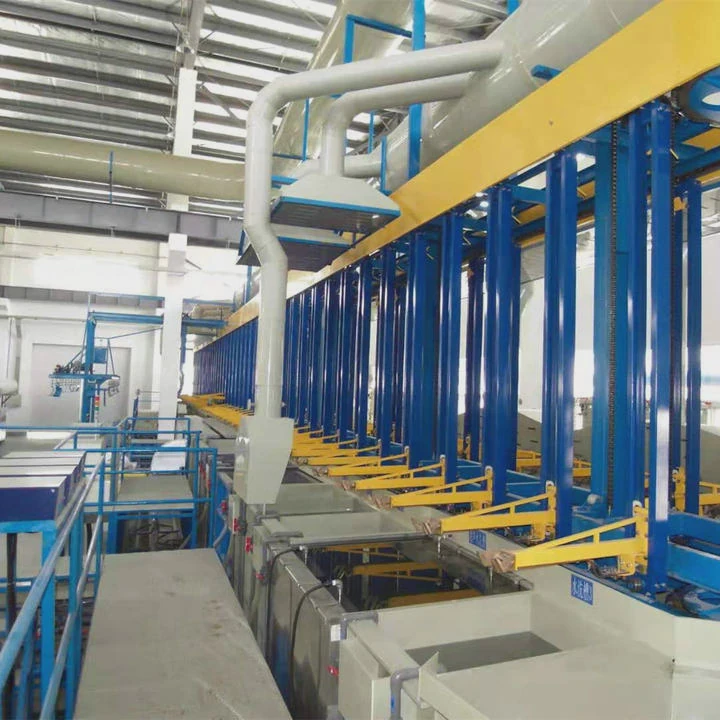
In large-scale production, consistency is key. Automated plating lines ensure even coating. This reduces defects like patchy color or uneven shine.
From past projects, many clients improved product pricing after upgrading to gold plating. Customers often link gold color with high quality. This makes it a strong marketing tool.
Why is gold plating widely used in electronics?
Electronic parts often fail due to corrosion or poor contact. This leads to signal loss and system failure. Reliability becomes a big issue.
Gold plating is widely used in electronics because it provides excellent electrical conductivity, corrosion resistance, and stable signal transmission.
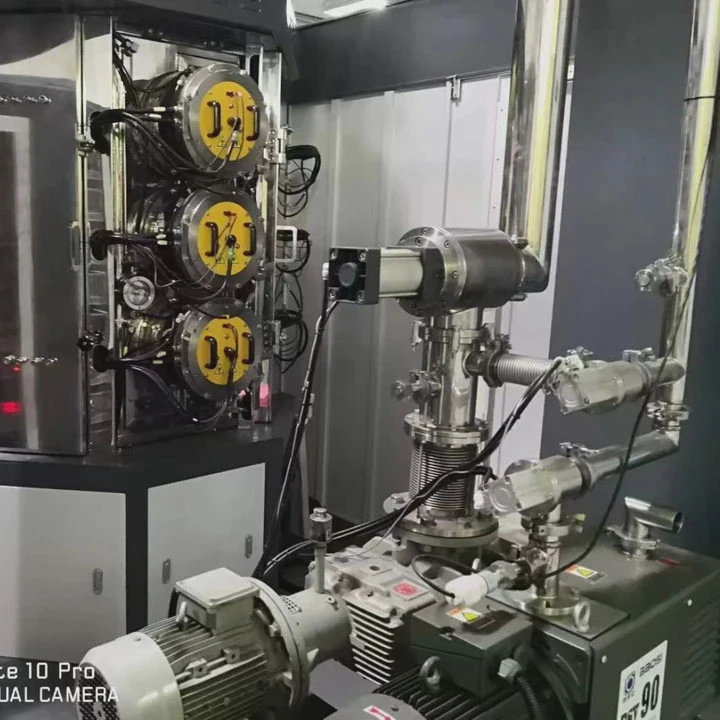
Gold is a very stable metal. It does not oxidize easily. This makes it ideal for connectors and contacts. Even in harsh environments, it maintains performance.
Conductivity and Signal Stability
Gold allows electrons to flow easily. This ensures low resistance. In high-frequency systems, stable signals are critical. Gold plating helps reduce noise and signal loss.
Corrosion Resistance
Other metals like copper oxidize over time. This creates resistance. Gold does not react with air or moisture. So it keeps connections clean and reliable.
Common Applications
Gold plating is used in many electronic components:
- Connectors
- Circuit boards
- Semiconductor parts
- Switch contacts
| Property | Benefit in Electronics |
|---|---|
| High Conductivity | Better signal transmission |
| Corrosion Resistance | Longer lifespan |
| Low Contact Resistance | Stable connections |
| Wear Resistance | Durable contact surfaces |
Cost vs Performance Balance
Solid gold parts are too expensive. Gold plating offers a smart solution. It uses a thin layer of gold only where needed. This keeps costs low while maintaining performance.
Many engineers prefer gold plating in critical parts. It ensures long-term stability. This is very important in industries like aerospace and medical devices.
Which materials can receive gold plating coatings?
Many manufacturers wonder if their materials are suitable. Not all metals behave the same during plating. Poor compatibility can lead to weak adhesion.
Gold plating can be applied to various materials including copper, brass, nickel, silver, and even some plastics after proper surface treatment.
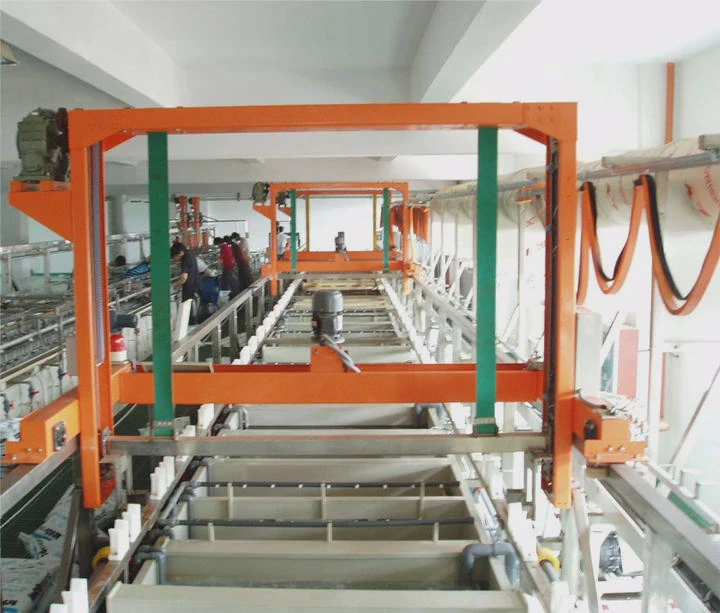
Different base materials require different preparation steps. The goal is to ensure strong bonding between gold and the surface.
Common Base Materials
Most metals can be plated with gold. However, each has its own process needs.
- Copper: very common, good conductivity
- Brass: used in decorative parts
- Nickel: often used as an underlayer
- Silver: good for high-end electronics
Role of Underlayers
Sometimes gold cannot stick directly to the base metal. In this case, a middle layer is used. Nickel is the most common underlayer. It improves adhesion and blocks diffusion.
Plating on Non-Metal Surfaces
Plastics can also be gold plated. But they need special treatment first. A conductive layer is applied before gold plating starts.
Material Compatibility Table
| Base Material | Need for Underlayer | Typical Use Case |
|---|---|---|
| Copper | Optional | Electronics |
| Brass | Recommended | Decorative items |
| Nickel | Not required | Functional coatings |
| Plastic | Required | Consumer electronics |
Adhesion and Durability
Proper cleaning is critical. Any oil or dirt can cause peeling. Good pretreatment ensures long-lasting coating. In real production, strict quality control is used to avoid defects.
Choosing the right material and process can improve both performance and cost efficiency.
When is gold plating preferred over solid gold?
Using solid gold is expensive. Many companies cannot afford it. They need a cost-effective alternative without losing benefits.
Gold plating is preferred over solid gold when cost savings, weight reduction, and sufficient surface performance are required.
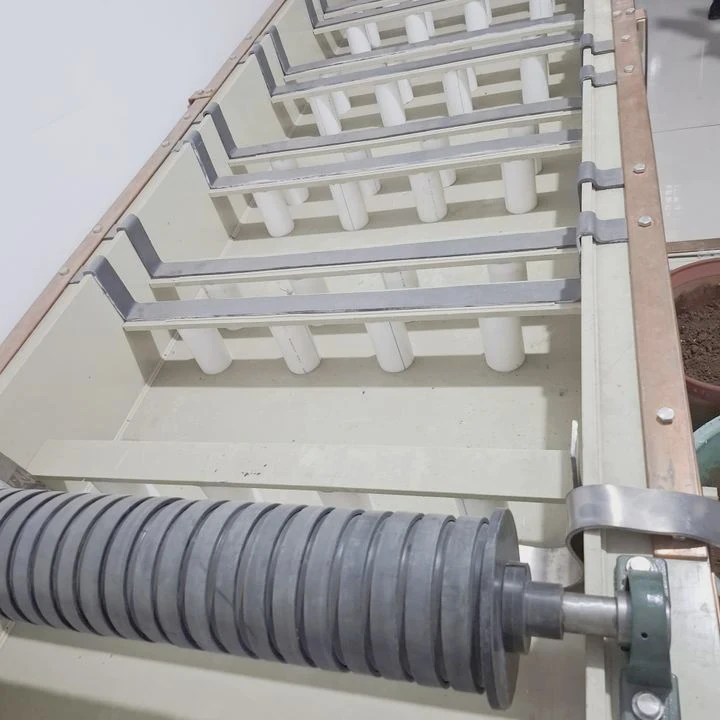
Gold plating provides most of the advantages of gold. But it uses much less material. This makes it ideal for industrial use.
Cost Efficiency
Solid gold is costly. Gold plating uses only a thin layer. This reduces material cost significantly. For large production, this makes a huge difference.
Weight Reduction
Gold is heavy. In industries like aerospace, weight matters. Gold plating adds minimal weight. This helps improve efficiency.
Performance vs Thickness
In many cases, only the surface needs gold. Internal parts do not need it. Gold plating focuses on functional areas. This is a smart use of material.
When Solid Gold is Still Used
There are cases where solid gold is needed:
- Jewelry with high value
- Investment products
- Extreme corrosion environments
Decision Comparison Table
| Factor | Gold Plating | Solid Gold |
|---|---|---|
| Cost | Low | Very high |
| Weight | Light | Heavy |
| Durability | Moderate to high | Very high |
| Material Usage | Minimal | Full material |
Practical Industry Choice
Most industrial clients choose gold plating. It meets technical needs while keeping budgets under control. In many projects, this choice helps companies stay competitive.
Conclusion
Gold plating offers a smart balance between cost, performance, and appearance. It improves product value and reliability. This is why many industries rely on it for both function and design.