How Does An Electroplating Production Line Work?
- Sinoplating
- 09 Jul ,2026
Electroplating production can become unstable when factories do not understand the process, equipment, and control requirements. Poor planning may create problems such as uneven coating, high production costs, and frequent machine failures.
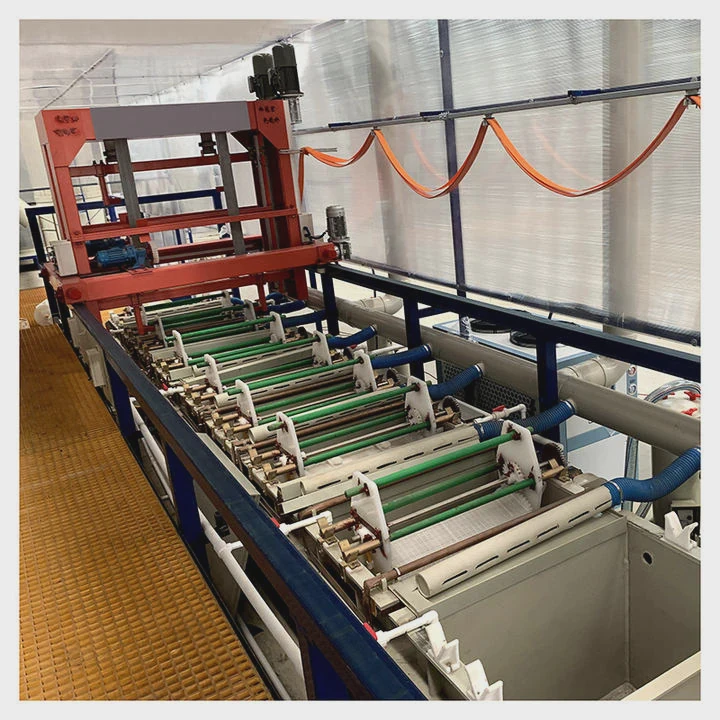
An electroplating production line works by using chemical treatment and electrical current to deposit a metal layer on product surfaces. A complete system combines pretreatment, plating, rinsing, drying, inspection, and automatic control to create stable coating results.
When I design an electroplating production line, I focus on the complete production flow instead of only one machine. Every process stage affects the final coating quality, production speed, and operating cost.
What Are The Main Steps In Electroplating Process?
An electroplating process includes several important stages. Each stage prepares the product surface, applies the metal coating, and improves the final performance of the finished product.
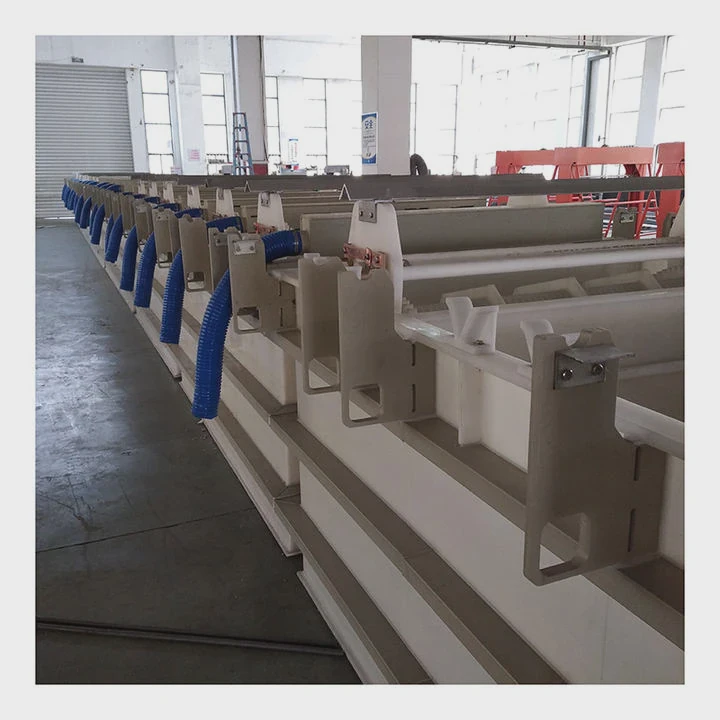
The main electroplating steps usually include cleaning, surface preparation, plating, rinsing, drying, and quality inspection. A stable process requires accurate control of chemicals, temperature, current, and processing time.
When I explain electroplating production to customers, I always start with the process flow because good equipment design depends on understanding every production step.
Step 1: Surface Cleaning
The first step is cleaning the product surface.
Before electroplating, products may have:
- Oil
- Dust
- Rust
- Manufacturing residue
- Surface impurities
These materials can prevent the metal coating from attaching correctly.
Cleaning systems usually include alkaline cleaning and water rinsing. The goal is to create a clean surface for the next treatment stage.
A clean surface improves coating adhesion and reduces defects.
Step 2: Surface Activation
After cleaning, products enter the activation process.
This stage prepares the surface for metal deposition. It removes oxide layers and improves the chemical activity of the product surface.
Different materials need different activation methods.
For example:
| Material Type | Common Surface Preparation | Purpose |
|---|---|---|
| Steel | Acid cleaning | Remove oxidation |
| Aluminum | Chemical activation | Improve adhesion |
| Plastic | Special treatment | Create conductive surface |
| Copper | Surface cleaning | Improve coating quality |
The correct preparation method helps create a stronger coating.
Step 3: Electroplating Process
The electroplating stage is where the metal coating is created.
During this process, the product is placed in a plating solution. Electrical current moves metal ions from the solution to the product surface.
The main control factors include:
- Current density
- Voltage
- Chemical concentration
- Temperature
- Plating time
If these conditions are unstable, the coating may become uneven.
Step 4: Rinsing And Drying
After plating, products need proper rinsing.
Rinsing removes remaining chemicals from the product surface. Poor rinsing can create stains, corrosion problems, or poor appearance.
The drying process removes moisture and prepares products for inspection or packaging.
Step 5: Quality Inspection
The final step is quality inspection.
Factories usually check:
- Coating thickness
- Surface appearance
- Adhesion strength
- Corrosion resistance
Inspection helps factories maintain consistent product quality.
A complete electroplating process is not only about adding a metal layer. It is about controlling every stage to achieve stable production results.
What Equipment Is Used In An Electroplating Production Line?
An electroplating production line requires different equipment to complete surface treatment. Each machine has a specific role in maintaining production efficiency and coating quality.
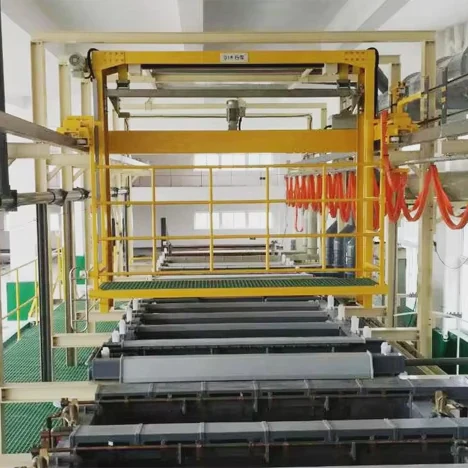
The equipment selection depends on product size, production capacity, plating type, and automation requirements.
When I design a production line, I consider the complete system because each machine must work together.
Main Equipment In An Electroplating Line
A standard electroplating production line usually includes the following equipment:
| Equipment | Function | Production Impact |
|---|---|---|
| Pretreatment tanks | Clean and prepare products | Improves coating adhesion |
| Plating tanks | Apply metal coating | Creates final surface layer |
| Rectifiers | Supply controlled electrical current | Controls coating thickness |
| Heating systems | Maintain solution temperature | Improves process stability |
| Filtration systems | Remove impurities | Improves surface quality |
| Conveyor systems | Move products automatically | Increases production efficiency |
| Waste treatment systems | Handle wastewater | Supports environmental compliance |
Electroplating Tanks
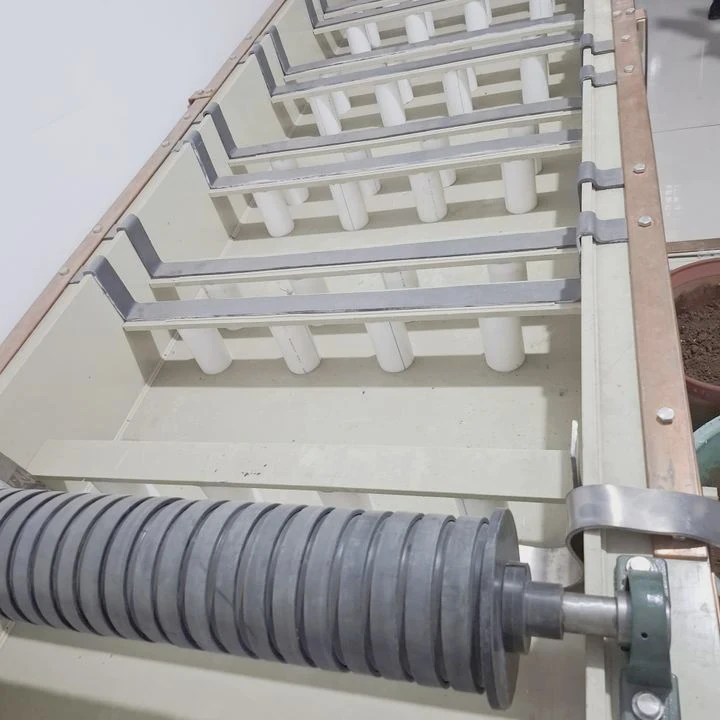
Electroplating tanks are the main working area of the production line.
The tank design must consider:
- Chemical resistance
- Product size
- Production volume
- Temperature requirements
A suitable tank design improves chemical stability and reduces maintenance problems.
Rectifiers
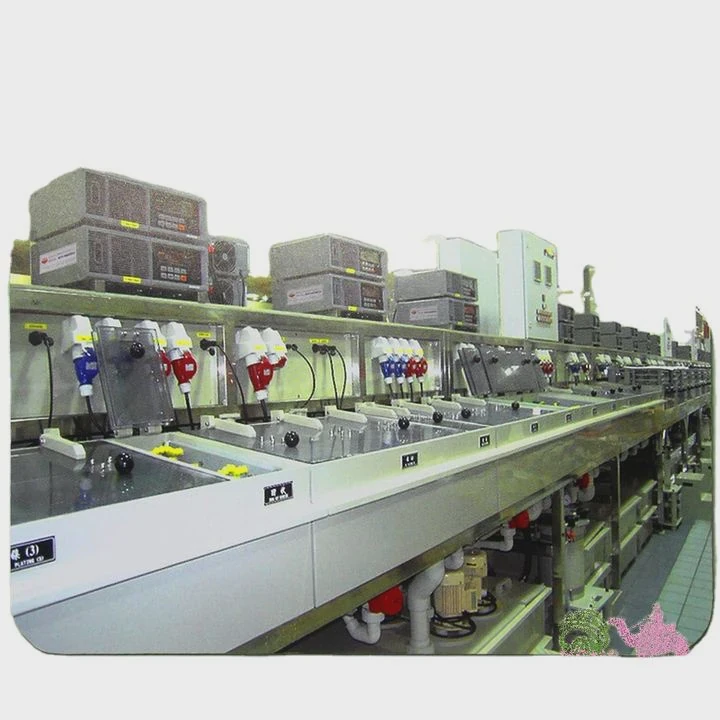
Rectifiers provide the electrical power needed for electroplating.
A high-quality rectifier provides:
- Stable current output
- Accurate adjustment
- Energy efficiency
- Safety protection
The rectifier directly affects coating thickness and surface appearance.
Automatic Transport System
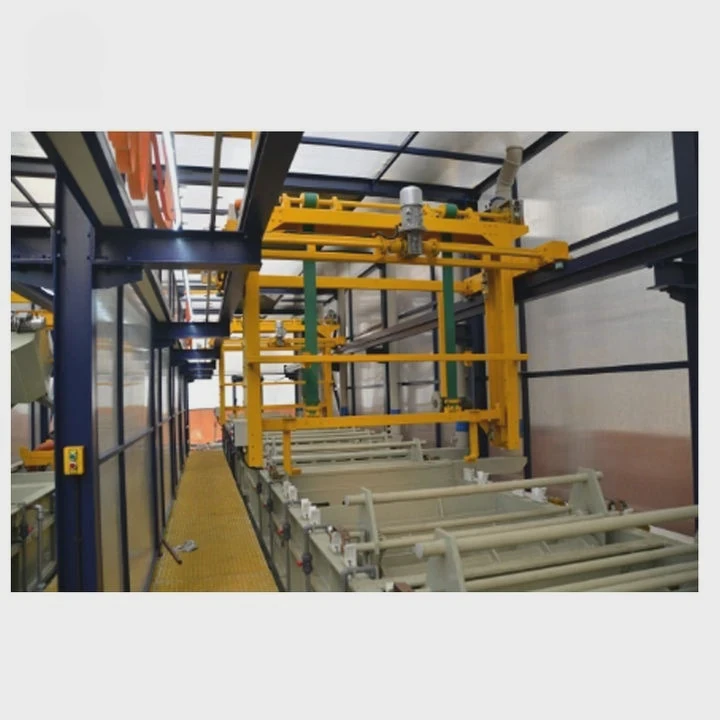
The transport system moves products between different process tanks.
Factories can choose:
- Manual handling
- Semi-automatic movement
- Fully automatic transportation
Automatic systems are widely used in large production facilities because they reduce labor requirements and improve consistency.
Environmental Protection Equipment
Modern electroplating factories need environmental systems.
These systems include:
- Exhaust treatment equipment
- Wastewater treatment systems
- Chemical filtration units
They help factories meet environmental requirements and create safer working conditions.
A complete electroplating production line is a combination of many systems. The equipment must be designed as one complete solution.
How Does An Automatic Electroplating System Improve Efficiency?
An automatic electroplating system improves efficiency by reducing manual operation, increasing production consistency, and controlling important process conditions.
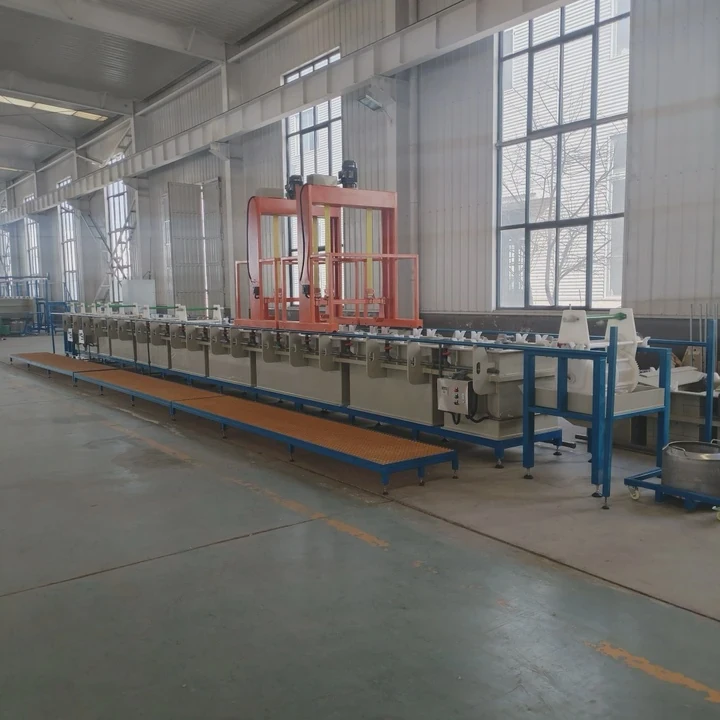
Automation helps factories produce more products with fewer production errors. It also allows better control of coating quality and production costs.
When I help customers upgrade their plating systems, I usually check production problems first. Many factories improve results by adding automation to important process areas.
Reduce Labor Dependence
Traditional electroplating lines require workers to move products between tanks.
This creates several problems:
- Higher labor costs
- Human operation differences
- Lower production speed
- More safety risks
Automatic systems use machines to complete repeated operations. Workers can focus on monitoring and maintenance.
Improve Production Consistency
Automatic systems provide better control of:
- Moving speed
- Processing time
- Product position
- Chemical exposure time
Stable control helps reduce coating differences between batches.
Increase Production Capacity
Automatic lines can operate continuously.
They can support:
- Higher output
- Faster production cycles
- Large customer orders
For factories with growing business, automation helps expand production without increasing labor costs too much.
Reduce Material Waste
Automatic systems also help reduce waste.
Better control can lower:
- Chemical consumption
- Energy usage
- Defective products
This improves production efficiency and reduces operating costs.
Use Smart Control Systems
Modern electroplating systems often use digital control technology.
A control system can monitor:
- Temperature
- Current
- Voltage
- Production status
- Equipment alarms
Operators can quickly find problems and make adjustments.
| Automation Function | Improvement |
|---|---|
| Automatic loading | Reduces manual handling |
| Automatic movement | Improves production speed |
| Digital monitoring | Improves process control |
| Automatic alarm system | Reduces equipment downtime |
Automation is not only about adding machines. It is about creating a smarter production system that improves long-term factory performance.
What Factors Affect Electroplating Production Quality?
Electroplating production quality depends on many factors, including surface preparation, chemical control, equipment performance, and operator skills.
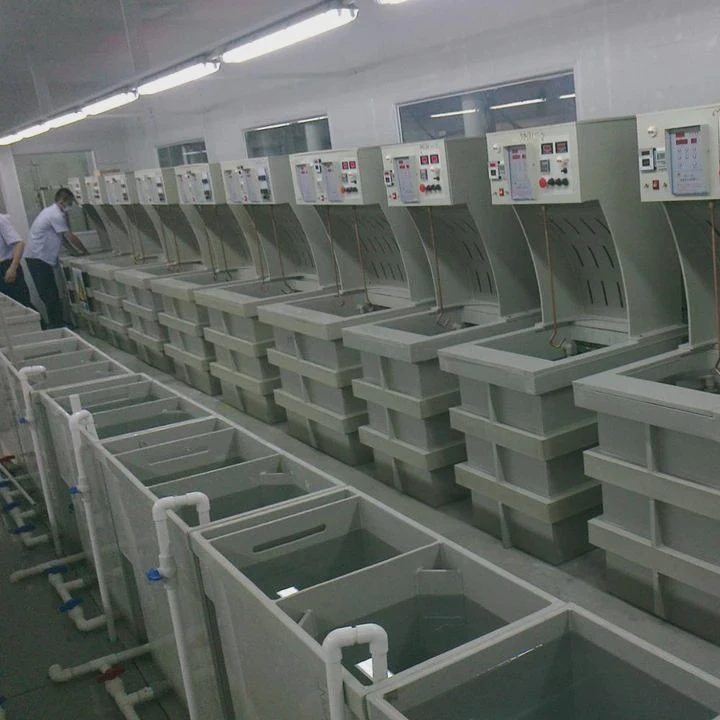
A good electroplating system must control every detail. Small changes in production conditions can create large differences in final product quality.
When I analyze plating problems, I usually check the complete production process instead of only looking at the final coating.
Surface Preparation Quality
Surface preparation is the foundation of electroplating.
If the product surface is not properly cleaned, the coating may have:
- Poor adhesion
- Uneven thickness
- Surface defects
- Early corrosion
A strong pretreatment process creates better coating results.
Chemical Solution Control
Chemical conditions directly affect plating performance.
Factories should monitor:
- Chemical concentration
- Solution temperature
- Contamination level
- Solution replacement cycle
Unstable chemical conditions can reduce product quality.
Electrical Control
Electrical conditions also affect coating results.
Important factors include:
- Current density
- Voltage stability
- Electrical connection quality
Incorrect electrical settings may create rough surfaces or uneven coating.
Equipment Maintenance
Equipment condition affects daily production.
Factories should regularly maintain:
- Pumps
- Filters
- Rectifiers
- Heating systems
- Conveyor systems
Regular maintenance prevents unexpected production problems.
Operator Training
Workers play an important role in quality control.
Operators should understand:
- Process requirements
- Equipment operation
- Safety procedures
- Basic troubleshooting
A skilled team can identify problems before they become serious.
Continuous Quality Improvement
Factories should continue improving their production systems.
Useful improvement methods include:
- Recording production data
- Reviewing defect causes
- Optimizing process settings
- Upgrading equipment
A quality electroplating production line requires cooperation between machines, technology, and people.
I believe the best results come from a complete approach. Good equipment creates a strong foundation, but proper process control creates long-term production success.
Conclusion
An electroplating production line works through multiple controlled stages, including cleaning, preparation, plating, and inspection. With suitable equipment, automation, and quality management, factories can achieve stable, efficient, and reliable production.