How to Build a PC ABS Chrome Plating Line?
- Sinoplating
- 09 Jul ,2026
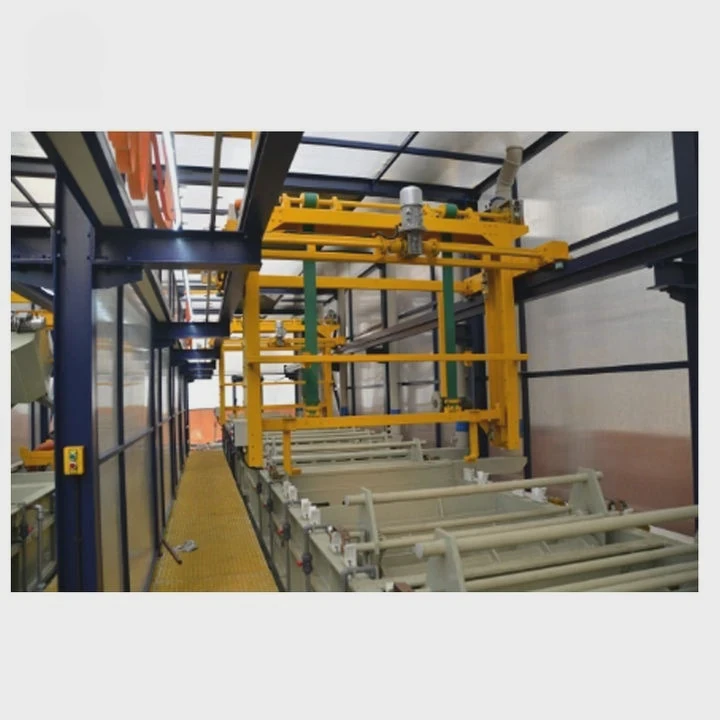
Building a PC ABS chrome plating line can be difficult when equipment choices, process design, and quality control are not clear. Many factories face defects because they start production without enough preparation.
A PC ABS chrome plating line needs special equipment, chemical treatment, and strict process control. A well-designed line helps manufacturers create bright, durable chrome surfaces on plastic parts.
I understand that plastic chrome plating is different from metal plating. ABS plastic needs surface preparation before it can receive a metal coating. Every step needs accurate control to achieve stable results.
What Equipment Is Required For ABS Chrome Plating?
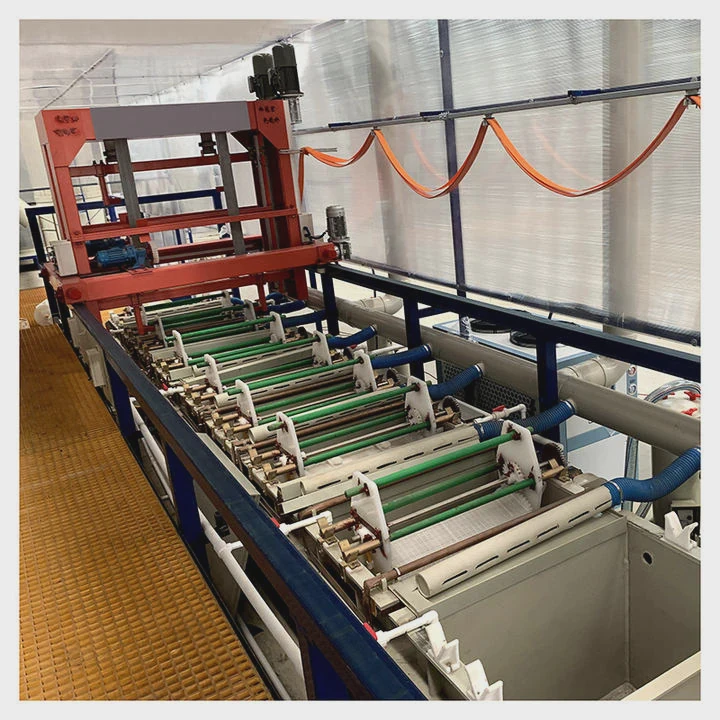
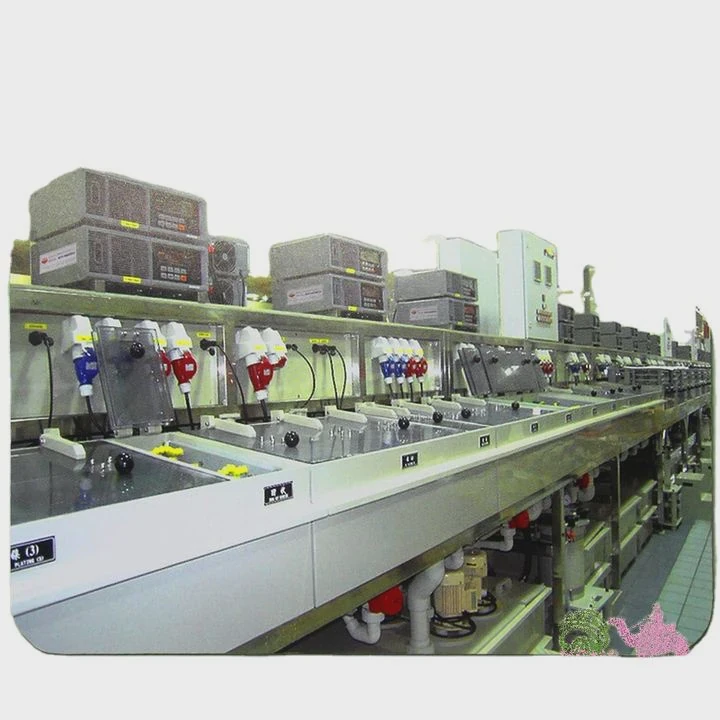
ABS chrome plating requires a complete production system that includes cleaning equipment, chemical tanks, plating machines, drying systems, and quality testing tools. Each part supports the final coating performance.
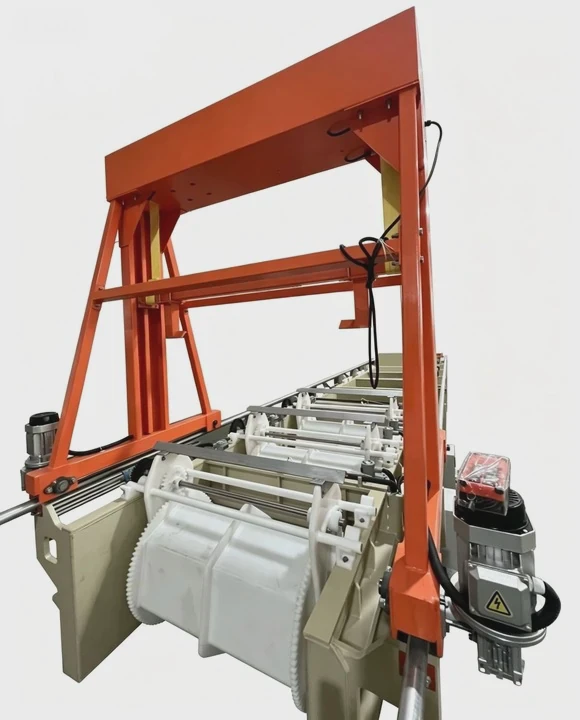
The equipment design directly affects production efficiency and product quality. When I design an ABS chrome plating line, I first check the product shape, production volume, factory space, and required surface standard.
Main Equipment In An ABS Chrome Plating Line
A complete ABS chrome plating line usually contains several important sections. Each section has a different purpose during production.
| Equipment | Function | Why It Is Important |
|---|---|---|
| Cleaning tanks | Remove oil and dirt from plastic parts | Creates a clean surface |
| Etching tanks | Activate ABS plastic surface | Improves coating adhesion |
| Electroless plating tanks | Add a conductive metal layer | Allows electrical plating |
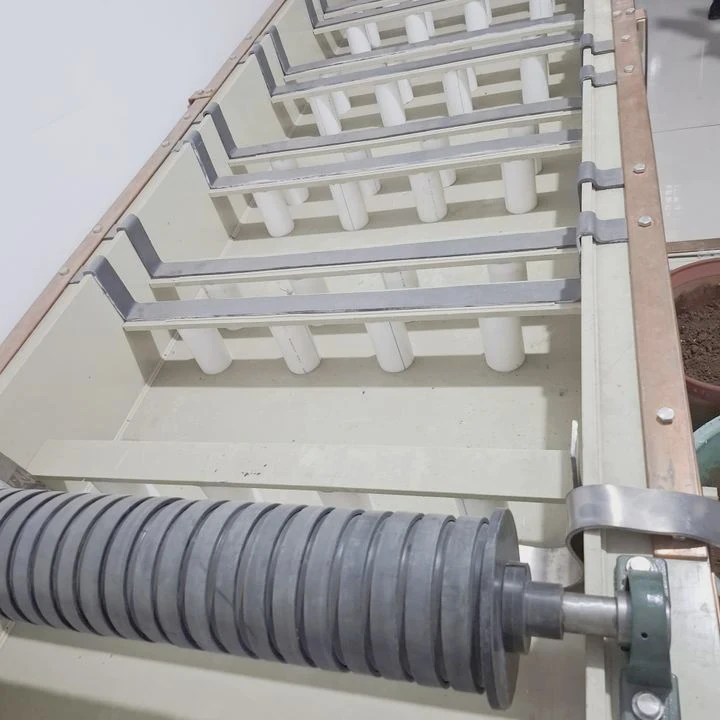
| Electroplating tanks | Apply nickel and chrome layers | Creates final appearance |
| Rectifiers | Control electric current | Maintains stable coating thickness |
| Drying systems | Remove moisture after processing | Prevents surface problems |
The first important equipment is the pretreatment system. ABS plastic has a smooth surface, so it cannot directly receive chrome coating. The surface needs chemical treatment to create better adhesion.
The second important part is the electroless plating system. Plastic does not conduct electricity, so manufacturers need to add a conductive layer before electroplating. This step creates the foundation for later metal coating.
The electroplating section is also critical. It usually includes nickel plating and chrome plating tanks. Nickel provides corrosion protection and brightness, while chrome provides the final decorative appearance.
Manual, Semi-Automatic, And Automatic Systems
Factories can choose different automation levels based on production needs.
Manual systems require workers to move parts between tanks. This option has lower investment costs but depends heavily on worker experience.
Semi-automatic systems use machines for some movement steps. Workers still manage some operations, but production becomes more stable.
Fully automatic systems use automatic loading systems, robots, and computer controls. These systems improve consistency and are suitable for large production projects.
I usually suggest customers select automation based on production goals. A fully automatic system is useful for large orders, but a smaller factory may receive better value from a semi-automatic solution.
Supporting Equipment For Stable Production
Many factories only focus on plating tanks, but supporting equipment is also important.
A professional ABS chrome plating line may need:
- Water treatment systems
- Exhaust treatment equipment
- Chemical circulation systems
- Temperature control systems
- Filtration units
- Laboratory testing equipment
These systems help maintain stable production conditions. They also help factories meet environmental and safety requirements.
The best ABS chrome plating line is not only a group of machines. It is a complete production solution where every part works together.
How Does The ABS Chrome Plating Process Work?
The ABS chrome plating process includes several steps that change plastic parts into decorative metal products. The process starts with surface preparation and ends with quality inspection.
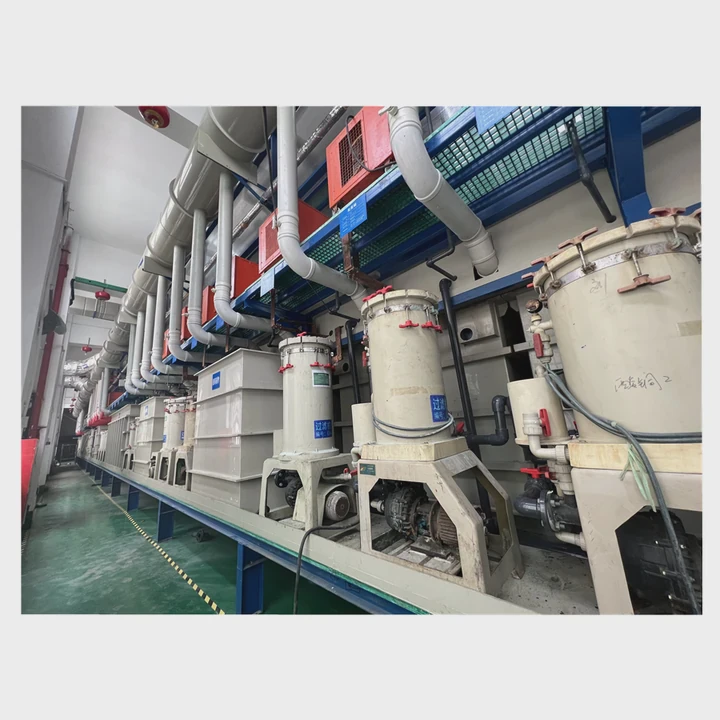
ABS chrome plating requires careful control because plastic materials react differently from metals. Every stage influences the final appearance, adhesion, and durability.
When I explain this process to customers, I focus on the reason behind every step. Understanding the process helps factories reduce defects and improve production results.
Step 1: Cleaning The ABS Surface
The first step is cleaning. Plastic parts may contain oil, dust, and release agents from injection molding.
If these materials remain on the surface, later coatings may not attach properly.
The cleaning process normally includes:
- Degreasing
- Water rinsing
- Surface preparation
A clean surface creates better conditions for chemical treatment.
Step 2: Chemical Etching
The etching process is one of the most important steps in ABS chrome plating.
ABS plastic contains different materials, including butadiene particles. Chemical etching creates small surface structures that improve metal adhesion.
The etching process needs accurate control of:
- Chemical concentration
- Temperature
- Processing time
Too much etching can damage the plastic surface. Too little etching can create weak adhesion.
Step 3: Neutralization And Activation
After etching, the plastic surface needs treatment to prepare for metal deposition.
The activation process adds special catalysts to the surface. These catalysts allow the next chemical plating step to happen.
This stage requires careful operation because poor activation can cause incomplete coating coverage.
Step 4: Electroless Nickel Or Copper Plating
Since ABS plastic cannot conduct electricity, factories need an electroless plating step.
This process creates a thin conductive metal layer on the plastic surface.
After this step, the plastic part can enter normal electroplating processes.
Step 5: Nickel And Chrome Plating
The next stage adds decorative metal layers.
Nickel plating improves:
- Brightness
- Corrosion resistance
- Surface protection
Chrome plating creates the final silver appearance and improves surface hardness.
The thickness of each layer must be controlled carefully. Incorrect thickness can affect appearance and product life.
Step 6: Inspection And Packaging
After plating, factories inspect the finished products.
| Inspection Item | Purpose |
|---|---|
| Surface appearance | Checks color and brightness |
| Adhesion test | Checks coating strength |
| Thickness test | Measures coating level |
| Corrosion test | Evaluates durability |
| Size inspection | Confirms product accuracy |
A complete inspection system helps manufacturers deliver stable quality products.
I believe the ABS chrome plating process is a combination of chemistry, equipment, and experience. Good results come from controlling every small detail.
What Chemicals Are Used In Plastic Chrome Plating?
Plastic chrome plating uses different chemicals for cleaning, etching, activation, plating, and protection. Each chemical has a specific role in creating a strong chrome coating.
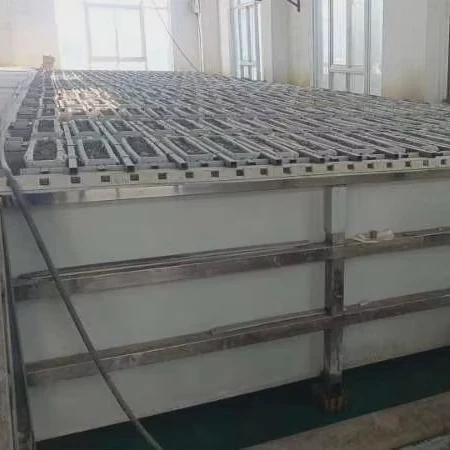
The chemical system is one of the most sensitive parts of ABS chrome plating. Incorrect chemical control can cause defects such as peeling, dark surfaces, and uneven coating.
When I help factories improve production, I often check chemical management first because many quality problems come from unstable chemical conditions.
Common Chemicals Used In ABS Chrome Plating
Different manufacturers may use different chemical formulas, but the main categories are similar.
| Process Stage | Common Chemical Type | Main Purpose |
|---|---|---|
| Cleaning | Alkaline cleaners | Remove oil and dirt |
| Etching | Acid solutions | Create surface structure |
| Activation | Catalyst solutions | Prepare plastic for plating |
| Electroless plating | Nickel or copper chemicals | Create conductive layer |
| Electroplating | Nickel and chrome solutions | Build final coating |
The etching stage usually uses strong chemical solutions to modify the ABS surface. This step requires strict control because the plastic structure must be prepared without causing damage.
The activation stage is also very important. It creates the conditions for metal growth on the plastic surface. Without proper activation, the later plating layers may not attach well.
Chemical Control Is Important
A good chemical management system should monitor:
- Concentration levels
- Temperature
- Chemical replacement time
- Contamination levels
Factories should test chemical solutions regularly. Small changes can create large quality differences.
For example, low chemical concentration may reduce coating adhesion. High concentration may damage plastic parts or create uneven surfaces.
Environmental And Safety Requirements
Chemical management also affects environmental performance.
Modern factories need proper:
- Chemical storage areas
- Ventilation systems
- Waste treatment equipment
- Worker protection systems
Responsible chemical management protects workers and supports sustainable production.
I have found that factories with better chemical control usually have fewer production problems. Good chemical management is not only about quality. It also improves production stability.
How Can You Ensure High Quality Chrome Plating?
High quality chrome plating depends on equipment accuracy, chemical control, skilled workers, and strict inspection. Every part of the production process affects the final product.
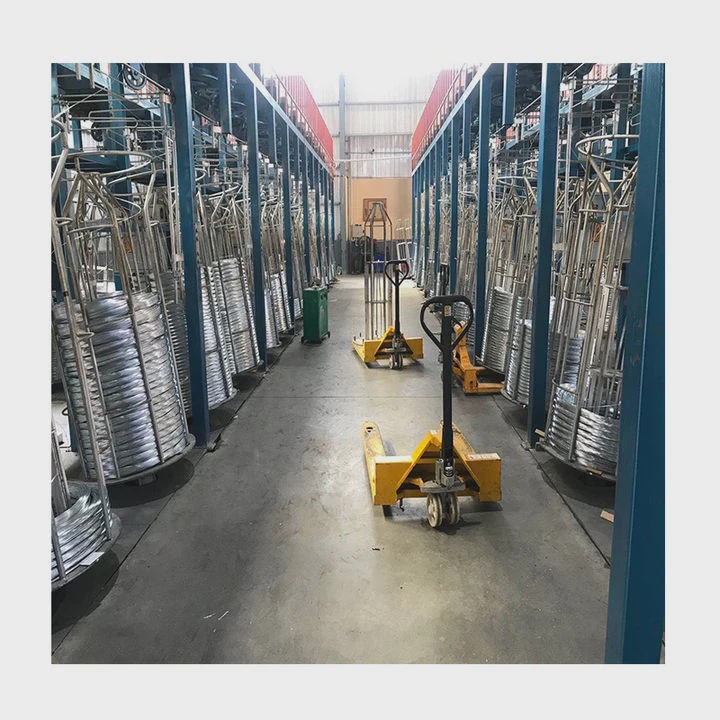
A beautiful chrome surface is not created by chrome chemicals alone. It requires a complete system that controls every stage from plastic preparation to final inspection.
When I review successful plating factories, I often see the same pattern. They focus on process control instead of only solving problems after defects appear.
Improve Process Control
The first way to improve quality is controlling each production stage.
Important control points include:
- Chemical temperature
- Processing time
- Current density
- Coating thickness
- Water quality
Automatic monitoring systems can help factories maintain stable conditions.
Maintain Equipment Performance
Equipment condition directly affects plating quality.
Factories should create regular maintenance plans.
Important maintenance tasks include:
- Checking pumps
- Cleaning tanks
- Testing rectifiers
- Replacing damaged parts
- Checking control systems
A small equipment problem can create thousands of defective parts if it is not discovered quickly.
Train Production Workers
Skilled workers are important even in automated factories.
Operators should understand:
- Production procedures
- Chemical safety
- Equipment operation
- Basic troubleshooting
Good training helps workers identify problems early.
Use Quality Testing Methods
Quality testing should happen throughout production, not only at the end.
Factories can check:
- Adhesion strength
- Coating thickness
- Surface defects
- Brightness level
- Corrosion resistance
Early testing helps reduce waste and improve production efficiency.
Build A Long-Term Improvement System
Quality improvement is a continuous process.
Factories should collect production data and review problems regularly.
Useful information includes:
- Defect rates
- Production speed
- Chemical usage
- Equipment downtime
This information helps managers make better decisions.
A high-quality ABS chrome plating line requires cooperation between equipment, technology, and people. When these parts work together, manufacturers can produce stable chrome-plated plastic products for long-term business growth.
Conclusion
Building a PC ABS chrome plating line requires careful equipment selection, controlled chemical processes, and strong quality management. A complete production system helps factories create durable, attractive, and reliable chrome-plated plastic products.