What is Cadmium Plating Used For?
- Sinoplating
- 16 Mar ,2026
Cadmium plating plays a significant role in protecting metals from corrosion. But why is it so popular in industries that demand durability and reliability? Let’s explore its uses and benefits.
Cadmium plating is commonly used to protect metal parts from corrosion. It enhances wear resistance and is essential in applications where durability is a must. This includes aerospace, automotive, military, and other high-performance industries. It’s a cost-effective solution for components exposed to harsh environments.
Cadmium plating is a versatile method to increase the lifespan of metal parts. In this article, we will explore its common applications, benefits, reasons why it’s favored in aerospace, and situations where it should be avoided.
Where is Cadmium Plating Commonly Applied in Industry?
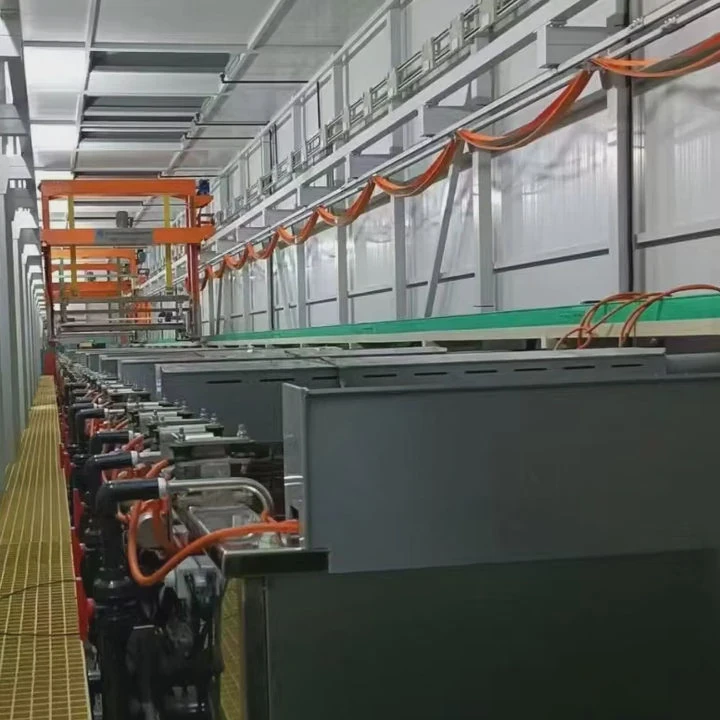
Cadmium plating is used in industries like aerospace, automotive, military, and electronics due to its corrosion resistance and high performance. It’s most commonly found in parts exposed to extreme environments like moisture, salt, and heat, where durability is crucial.
Aerospace Components
Aerospace components such as fasteners, bolts, and connectors often undergo cadmium plating due to its ability to protect against corrosion and wear. Aircraft parts are exposed to moisture, salt from the ocean, and extreme temperature changes, making cadmium plating essential for ensuring reliable performance over time.
Automotive Industry
In the automotive sector, cadmium plating is applied to engine parts, bolts, and connectors to ensure long-lasting durability. It’s particularly used in parts that are exposed to high temperatures and stress, such as fuel injectors and exhaust systems.
Military Equipment
Military vehicles, firearms, and defense systems rely heavily on cadmium plating to enhance the durability and longevity of their components. The protective coating ensures that parts remain functional even in the harshest conditions, such as extreme temperatures and exposure to chemicals.
Electronics and Electrical Components
In electronics, cadmium plating is often used for connectors, switches, and other parts that need to be corrosion-resistant while maintaining excellent conductivity. It helps ensure that electrical contacts remain reliable, even under adverse conditions.
Which Benefits Does Cadmium Plating Provide for Metal Parts?
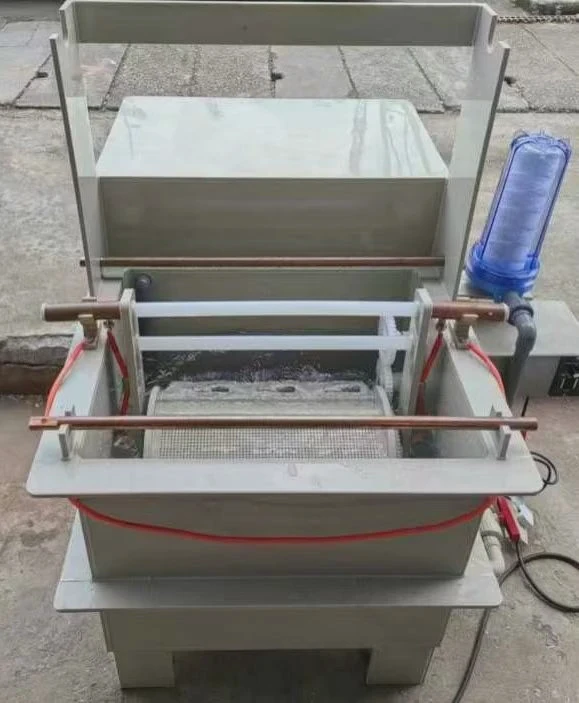
Cadmium plating provides a wide range of benefits, including corrosion resistance, wear resistance, and electrical conductivity. This makes it a preferred choice for parts exposed to tough environmental conditions. The benefits go beyond just protection, ensuring smooth functionality and extended service life.
Corrosion Protection
Cadmium is highly effective at preventing rust and corrosion on metal surfaces. This is especially important for parts exposed to water, salt, or harsh chemicals. The plating forms a barrier that prevents corrosive substances from damaging the metal beneath.
Wear Resistance
Cadmium plating also acts as a lubricant, reducing friction between moving parts. This is especially important in applications where parts are subject to repetitive motion or high stress, such as in aerospace and automotive engines.
Electrical Conductivity
Cadmium plating enhances the electrical conductivity of metal parts, making it valuable for electrical components that require stable and efficient power flow. This is especially useful in the electronics and communication industries.
Temperature Resistance
Cadmium-coated parts are also able to withstand extreme temperatures, making them ideal for use in high-heat environments. The plating protects metal parts from heat degradation, extending their usable life in demanding applications.
Why Do Manufacturers Choose Cadmium Plating for Aerospace Components?
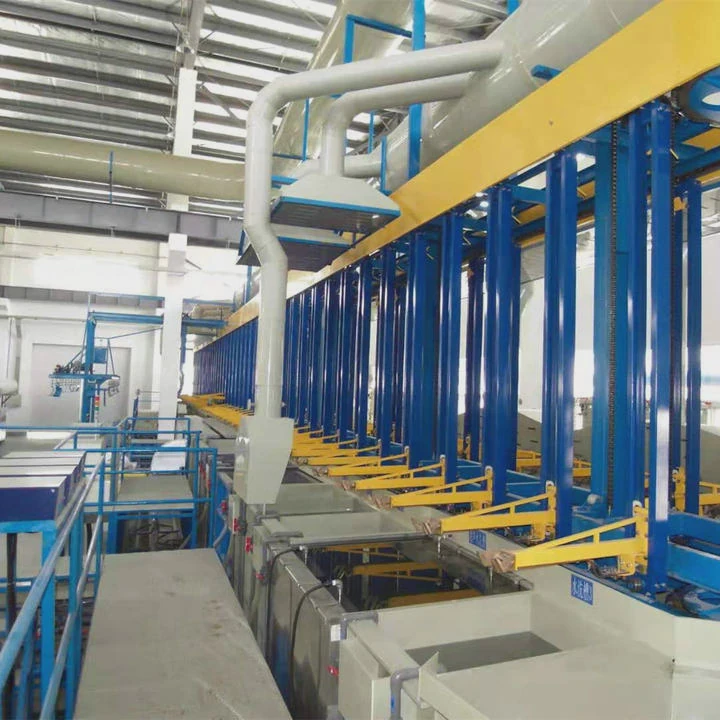
In the aerospace industry, cadmium plating is favored for its exceptional corrosion resistance and ability to handle extreme temperatures. The harsh conditions in which aerospace components operate make it essential for parts to remain durable and reliable for long periods of time.
Protection in Harsh Environments
Aerospace parts are frequently exposed to moisture, saltwater, and extreme weather conditions at high altitudes. Cadmium plating provides a protective layer that prevents corrosion and ensures that parts remain functional even under challenging conditions.
Durability and Longevity
Manufacturers choose cadmium plating because it increases the lifespan of critical aerospace components. The plating helps prevent parts from failing prematurely, reducing the need for frequent maintenance and replacements. This is essential in the aerospace industry, where safety and reliability are paramount.
Low Friction for Better Performance
Cadmium-plated parts are lubricated, reducing friction between moving components like fasteners and gears. This helps improve the performance of mechanical systems and ensures that aerospace vehicles run smoothly.
Weight Efficiency
The light weight of cadmium plating is another reason it’s commonly used in aerospace components. Since every gram matters in aerospace, cadmium plating offers a lightweight yet durable solution to prevent corrosion without adding unnecessary weight.
When Should Cadmium Plating Be Avoided in Manufacturing?
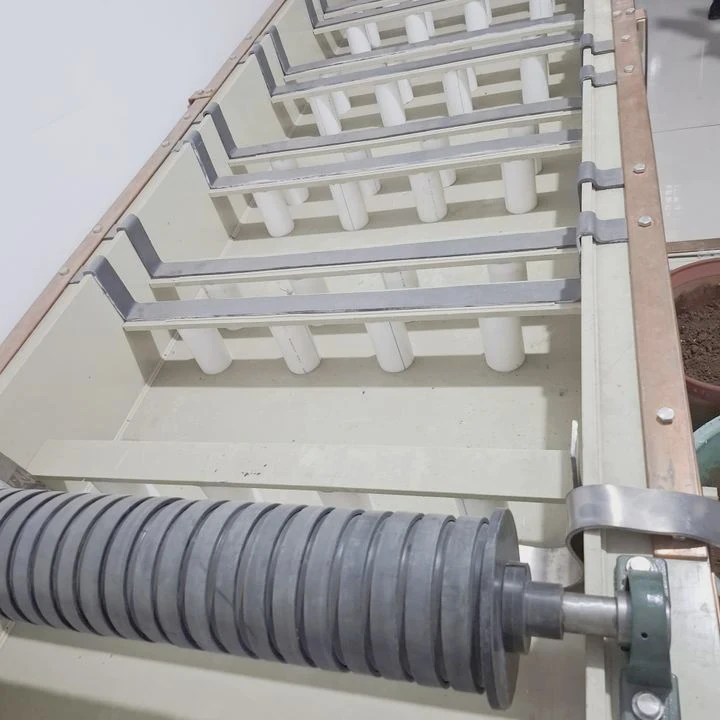
Despite its advantages, there are situations where cadmium plating should be avoided due to health, environmental, and performance concerns. It’s essential to understand when to choose alternative coatings for certain applications.
Health and Environmental Risks
Cadmium is a toxic metal, and exposure to it can lead to serious health risks, including respiratory and kidney issues. In recent years, there has been increasing regulation on cadmium usage, especially in the EU and other regions. Manufacturers must be aware of the environmental impact and health risks associated with using cadmium plating, and alternative coatings may be required in some industries.
Alternatives to Cadmium Plating
For certain applications, other coatings like zinc, nickel, or chrome may offer similar benefits without the associated risks of cadmium. These alternatives may also offer better performance under specific conditions, such as in high-temperature or low-friction environments.
Temperature Limitations
Although cadmium plating is known for its temperature resistance, it may not perform as well in extremely high-temperature environments. For components exposed to temperatures beyond cadmium’s tolerance, alternative materials may be necessary to ensure optimal performance.
Regulatory Restrictions
Certain industries are prohibited from using cadmium plating due to strict regulations, such as those enforced under RoHS (Restriction of Hazardous Substances). Manufacturers in such sectors must explore other options to comply with these regulations and maintain sustainable production.
Conclusion
In conclusion, cadmium plating offers several key advantages, including exceptional corrosion resistance, wear resistance, and electrical conductivity. However, due to its potential health and environmental risks, it’s essential to understand when and where to use it in manufacturing. Exploring alternatives for certain applications ensures a balanced and safe approach.
- Pre Sorry!
- Next: What is Rhodium Plating?