How to Remove Chrome Plating?
- Sinoplating
- 16 Mar ,2026
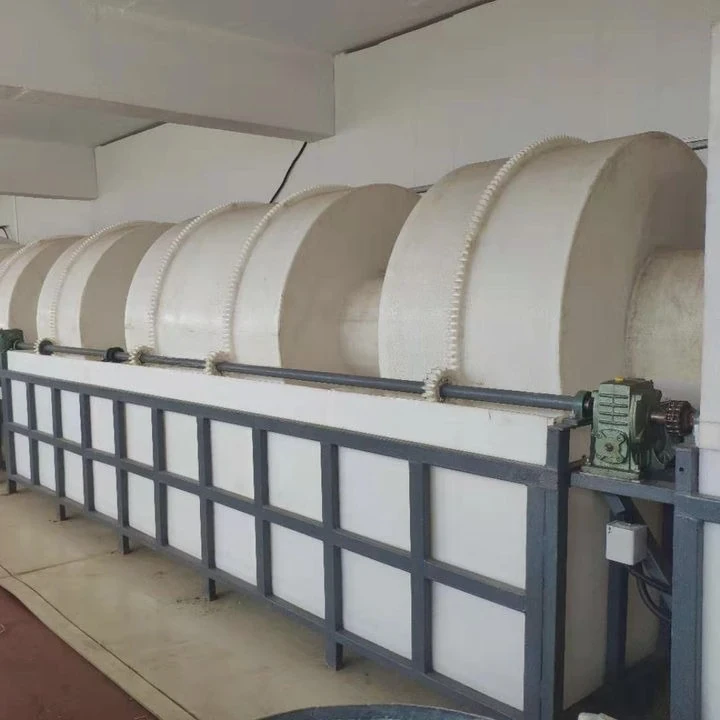
Removing chrome plating may seem like a challenging task, but it can be done safely and effectively with the right methods and tools. Why would you want to strip chrome off metal parts, and how is it done? Let’s explore the process and answer key questions about chrome removal.
Chrome plating removal involves using specific chemicals or mechanical methods to strip away the chrome layer from metal parts. This process is often necessary for repairs, refinishing, or to allow the underlying metal to be re-plated with a different material. Let’s walk through how chrome plating can be removed safely and effectively.
In this article, we’ll discuss the chemicals used in chrome removal, why professional services are often recommended, the best places for performing this task, and when chrome plating should be removed from metal parts.
Which Chemicals Are Used to Strip Chrome Plating Safely?
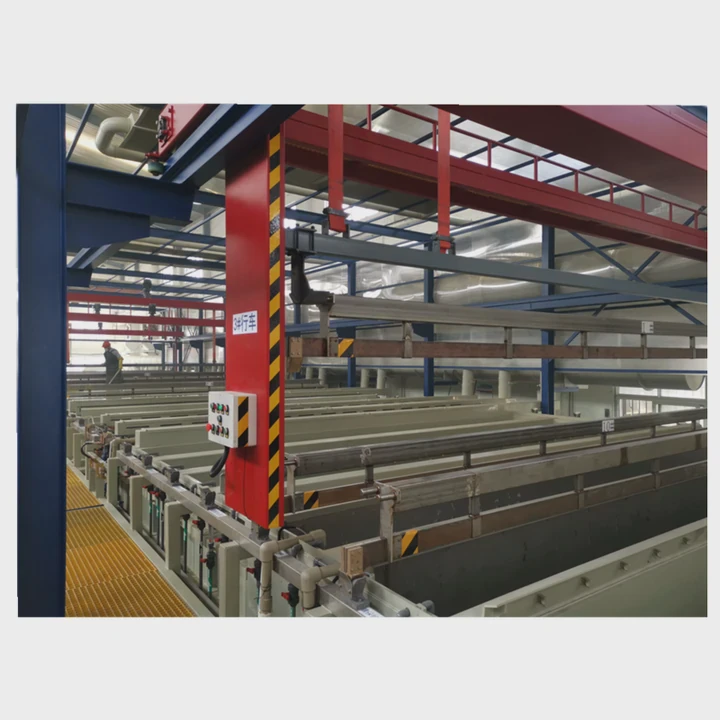
Chemicals used to strip chrome plating vary depending on the method chosen. The most common chemicals used are those that can break down the chromium layer without damaging the underlying metal, ensuring the process is efficient and safe.
Sulfuric Acid and Water Solution
One of the most common methods for stripping chrome is by using a sulfuric acid and water solution. The sulfuric acid dissolves the chromium layer, leaving the base metal intact. The solution is typically heated to speed up the process, and the item being stripped is immersed in the solution for a period of time.
- Advantages: Effective on a wide range of metals, relatively fast process.
- Disadvantages: Requires careful handling as sulfuric acid is highly corrosive.
Chrome Stripping Gel
For smaller or more delicate items, chrome stripping gels are often used. These gels contain chemicals like sodium hydroxide and other strong alkaline solutions that break down chrome without the need for extreme temperatures. The gel is applied to the chrome-plated surface and left to work for several hours before being wiped off.
- Advantages: Safe to use on smaller parts, less risk of damage to delicate metals.
- Disadvantages: May take longer than other chemical methods, and repeated applications might be necessary for thicker chrome layers.
Sodium Bisulfate
Sodium bisulfate is another chemical commonly used for chrome removal. It is often used in conjunction with other chemicals or as a standalone solution for lighter chrome plating. Sodium bisulfate is more commonly used in electrochemical methods for chrome removal.
- Advantages: More environmentally friendly compared to other chemicals.
- Disadvantages: May not be as effective on heavy chrome layers.
Muriatic Acid (Hydrochloric Acid)
Muriatic acid is a stronger, more corrosive acid that can be used for stripping chrome plating. This method is effective but requires careful monitoring because it can damage underlying metal if not used properly.
- Advantages: Fast and effective for heavy chrome coatings.
- Disadvantages: Requires strict safety measures due to its caustic nature.
Why is Professional Chrome Removal Often Recommended?
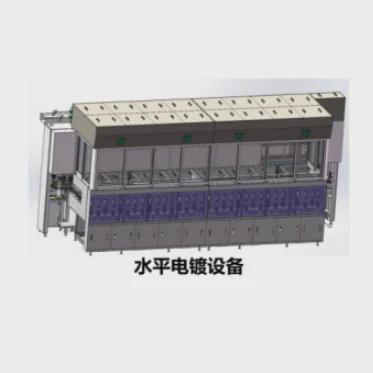
Professional chrome removal is often recommended because it ensures the process is done safely and effectively. There are a few key reasons why this is the preferred option for many people.
Expertise and Experience
Professional chrome removal services have the necessary expertise and experience to ensure that the process is done correctly. Stripping chrome is a delicate task that requires the right techniques to prevent damage to the base metal. Professionals know the proper chemical concentrations, times, and temperatures required for safe and effective removal.
Specialized Equipment
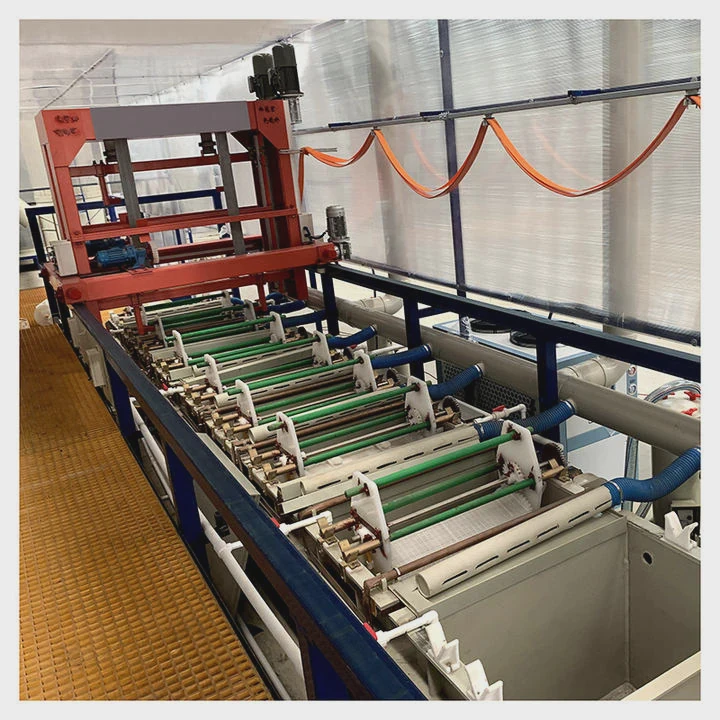
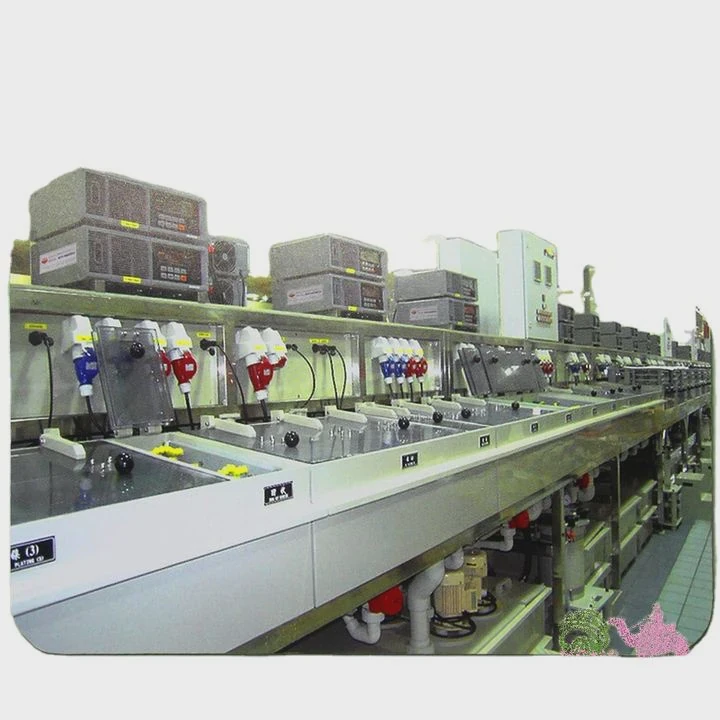
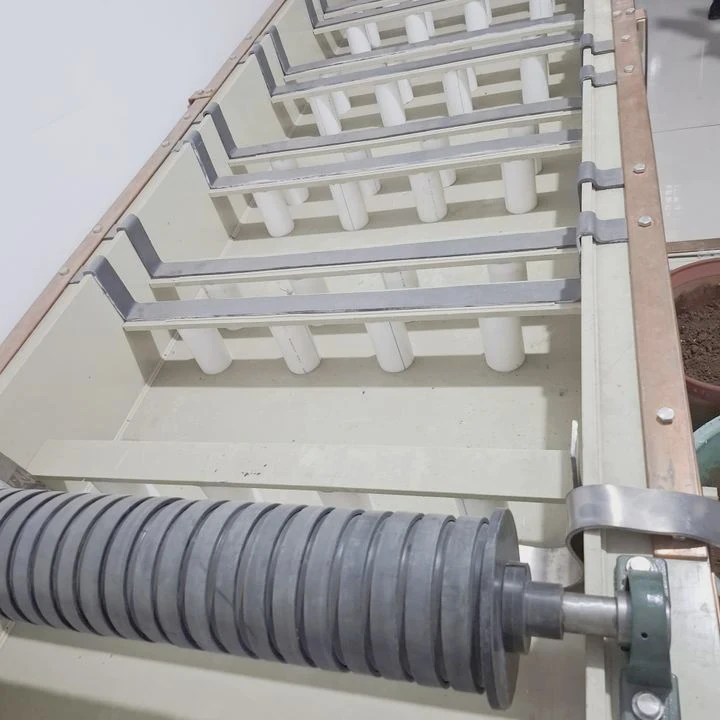
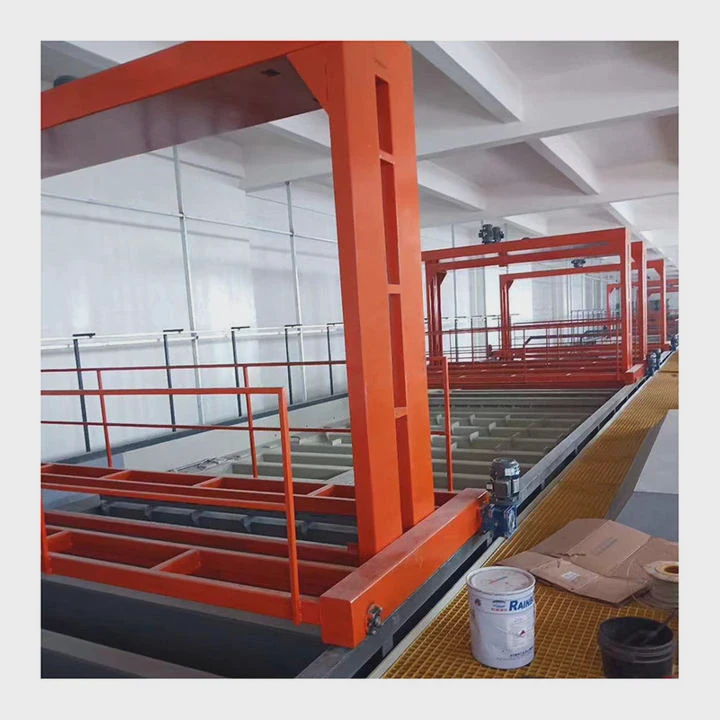
Professional services use specialized equipment, such as industrial tanks, heated solutions, and chemical dispensers, which provide a much more controlled and efficient stripping process than what’s possible with household tools. This ensures that the chrome is completely removed without harming the item.
Safety Concerns
Chrome stripping chemicals, like sulfuric acid and muriatic acid, can be dangerous to handle. Professionals are trained to handle these chemicals safely, reducing the risk of accidents, burns, and other safety hazards. They also have the appropriate safety gear, such as gloves, goggles, and respirators, to protect against fumes and spills.
Environmental Considerations
Chrome removal can produce toxic waste, which must be disposed of properly to prevent environmental harm. Professional services adhere to environmental regulations and know how to dispose of waste safely and legally, ensuring minimal impact on the environment.
Where Can Chrome Plating Removal Be Performed Safely?
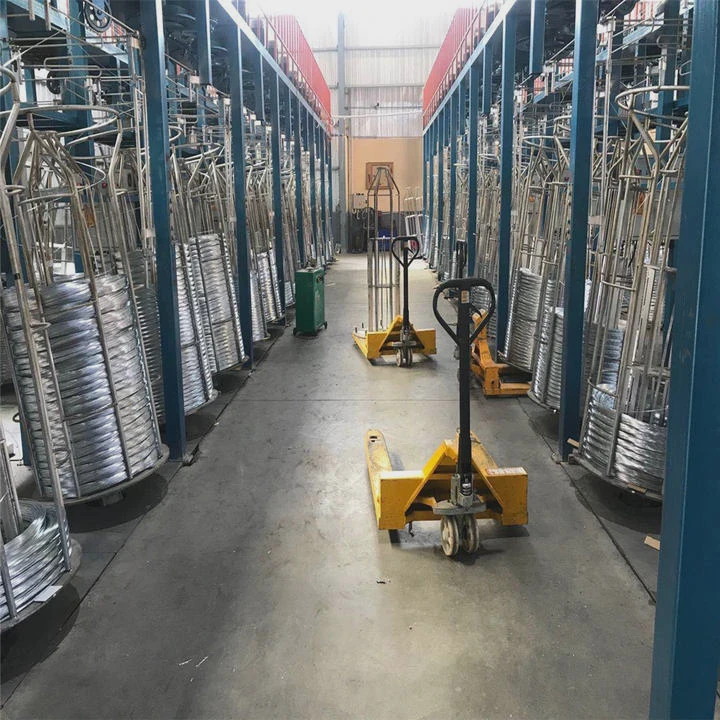
Chrome plating removal should always be performed in a controlled environment to ensure safety and effectiveness. The location is just as important as the method used for removal.
Specialized Workshops
The best place to have chrome removed is a specialized workshop or service center that deals with metal refinishing. These workshops have the necessary tools and expertise to strip chrome plating without damaging the underlying metal. They also follow proper safety protocols to ensure the process is safe and compliant with environmental regulations.
At-Home Removal (With Caution)
If you choose to remove chrome plating at home, you should do so in a well-ventilated area, preferably outdoors, to avoid inhaling harmful fumes from the chemicals. You’ll also need appropriate safety equipment, such as gloves, goggles, and masks, to protect yourself from the chemicals. However, DIY removal can be challenging and risky, especially for larger or more intricate items.
Professional Plating Services
Many plating companies offer chrome removal as part of their services. These professionals can handle the removal and re-plating process, ensuring that the part is restored properly. They also offer refinishing services, where the item can be re-plated with a different material after the chrome has been stripped.
Industrial Settings
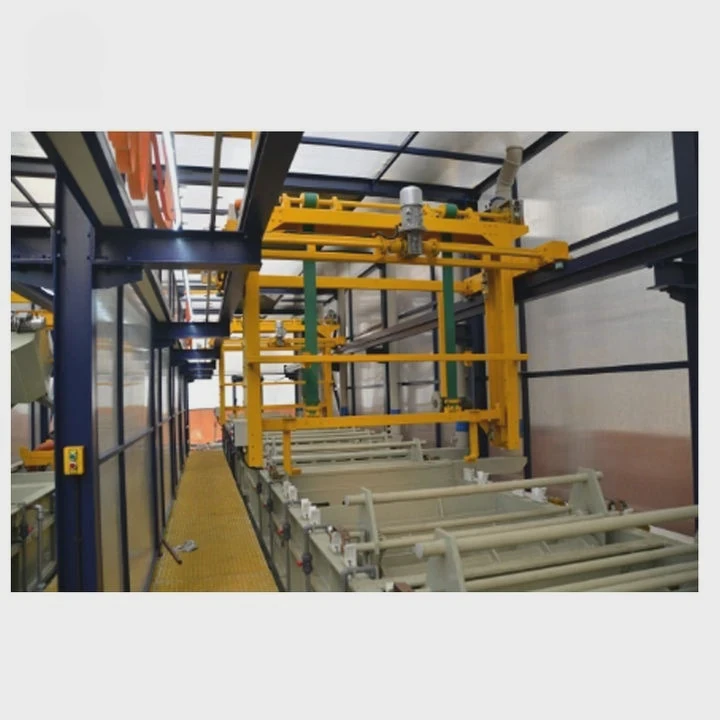
Large-scale industrial settings, such as factories or manufacturing plants, often have the capacity to perform chrome stripping. They use industrial methods and equipment that can handle a large volume of items. These facilities ensure the process is done on a larger scale, meeting safety and environmental standards.
When Should Chrome Plating Be Removed From Metal Parts?
There are several scenarios when chrome plating should be removed from metal parts. It’s important to know when it’s necessary to strip chrome in order to avoid unnecessary damage and expenses.
Damaged or Worn Chrome Plating
Chrome plating can begin to show signs of wear over time, such as chipping, peeling, or discoloration. If the chrome is damaged or worn out, it may be necessary to remove the plating and reapply a fresh layer of chrome or another protective coating. This will restore the part’s appearance and function.
When Refinishing or Re-Plating Is Required
If you want to change the appearance of a metal part or switch to a different plating material, chrome removal is essential. For instance, you might want to strip chrome off a part in order to re-plate it with a different metal, such as nickel or gold, or to apply a protective coating such as powder coating.
Corrosion Under the Chrome
In some cases, the base metal underneath the chrome layer may begin to corrode, especially if the chrome plating has been compromised. When this happens, the chrome should be removed to inspect the underlying metal and treat any corrosion before reapplying a fresh layer of plating.
Poor Adhesion or Defective Plating
If the original chrome plating was applied poorly, it might not have adhered well to the metal surface. This can lead to the plating peeling or flaking off over time. In such cases, the chrome needs to be removed, and the surface must be properly prepared before re-plating can occur.
Conclusion
Removing chrome plating is a delicate process that requires the right chemicals and techniques to do safely and effectively. Whether you choose to do it yourself or seek professional help, it’s essential to understand the chemicals used, the best locations for removal, and when the process is necessary. By following proper procedures, you can ensure the removal is done without damaging the metal parts underneath.